Wall Street is not having a normal Tuesday. President Trump has set an 8 p.m. deadline for Iran to reopen the Strait of Hormuz. Oil is sitting above $110 a barrel. Gas prices at the pump have hit $4.11 a gallon nationally. And every trader on the floor is watching one question: does this war end today or get a lot worse?
Here is everything moving the US stock market right now.
1. Trump’s Iran Deadline Is the Biggest Risk in the Market Today
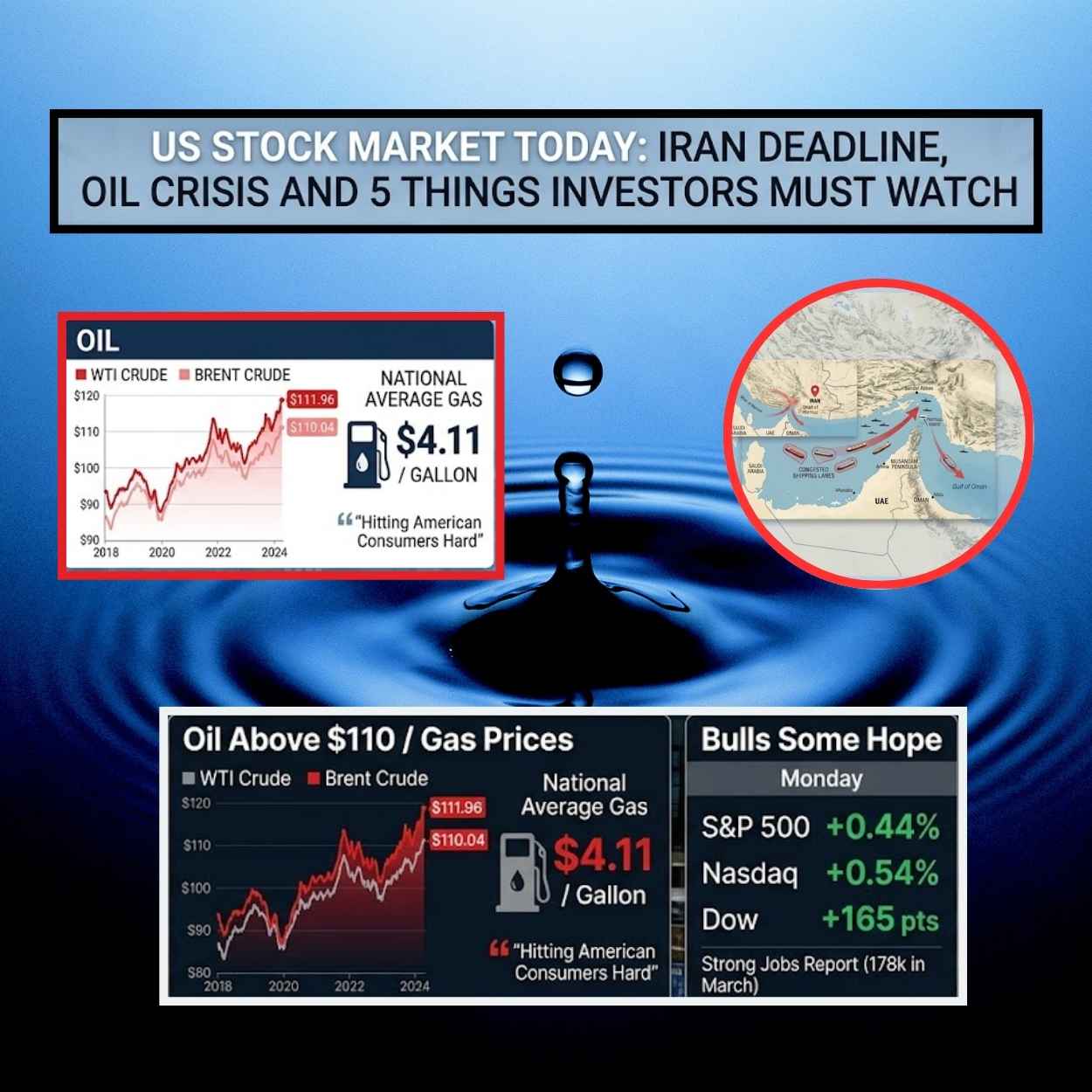
On Monday, Trump reiterated his warning that the US will destroy Iran’s power plants and bridges if the nation does not reopen the Strait of Hormuz by 8 p.m. ET on Tuesday. CNBC That deadline is the single biggest variable hanging over markets right now.
Axios reported that the US, Iran, and a group of regional mediators were discussing terms for a potential 45-day ceasefire that could lead to a permanent end to the war, though the chances for reaching a partial deal before the Tuesday deadline were slim. CNBC
The market is caught between hope and fear. If a ceasefire deal comes through, expect a sharp rally. If Trump follows through on strikes, oil spikes and stocks drop fast.
2. Oil Above $110 Is Hitting American Consumers Hard
US oil futures rose to $111.96 a barrel, and Brent crude climbed to $110.04. The national average gasoline price reached $4.11 a gallon on Sunday, up from $2.98 before the war. In Europe, shortages forced Italy to limit supplies at several airports, while several countries in Asia have already started rationing energy. Fortune
This is not just a number on a trading screen. Every business that moves goods, runs vehicles, or uses energy is paying more right now. And those costs flow directly into inflation.
Goldman Sachs strategists recently warned that persistent disruptions to global oil supplies could drag the S&P 500 down to 5,400 in 2026, representing a 22% decline from its January peak. The Motley Fool That is not a small risk. That is bear market territory.
3. Monday’s Session Gave Bulls Some Hope
Despite all the tension, Monday actually closed in positive territory. The S&P 500 added 0.44% to close at 6,611.83, while the Nasdaq Composite gained 0.54% and the Dow Jones Industrial Average climbed about 165 points. CNBC
What drove that? Ceasefire hopes and a surprisingly strong jobs report from Friday. The US reported 178,000 new jobs in March and a 4.3% unemployment rate. Charles Schwab That number beat expectations and told investors the economy is still holding up despite the war pressure.
But Tuesday is a different story. S&P 500 futures and Nasdaq 100 futures opened little changed Monday night, with Nasdaq 100 futures down about 0.2%. CNBC Markets are waiting, not moving.
4. The Fed Is Not Coming to the Rescue
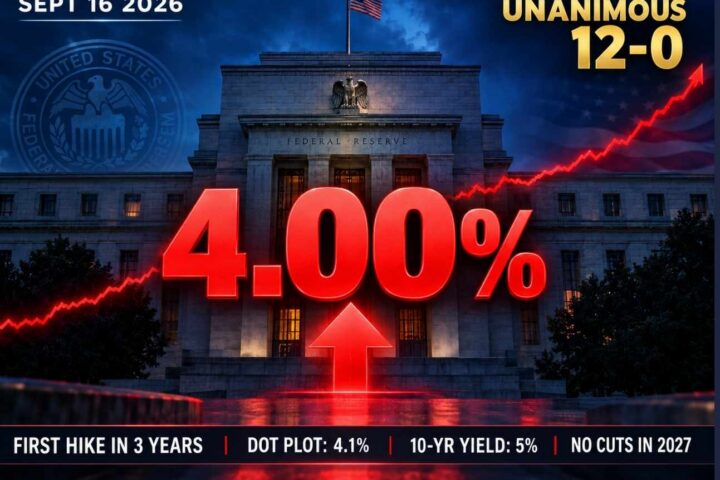
Investors who were hoping for rate cuts this year are now adjusting their expectations. Investors came into 2026 looking for the Federal Reserve to cut interest rates one or two times. As the second quarter kicks off, those hopes have been dashed. Yahoo Finance
With oil this high, inflation is not cooling fast enough for the Fed to act. Higher rates for longer means tighter conditions for businesses and consumers. Mortgage rates stay elevated. Credit card costs stay high. Corporate borrowing gets more expensive.
This is the environment US companies are reporting earnings into, starting this week with Delta Air Lines and Constellation Brands reporting on Wednesday.
5. Bright Spots: Bitcoin, Healthcare and Tech
Not everything is suffering. Bitcoin climbed 4% Monday, nearing the $70,000 threshold as geopolitical tensions eased slightly. The Motley Fool
Healthcare stocks also had a strong session. Humana popped 11%, CVS Health added 6%, and UnitedHealth Group rose 8% after the Centers for Medicare and Medicaid Services finalized a Medicare Advantage payment rate increase of 2.48% for 2027. CNBC
In tech, Netflix was upgraded to buy by Goldman Sachs. Tesla, however, continues to struggle, with JPMorgan maintaining its underweight rating and warning of further downside risk.
What Happens Next
The next 24 hours will define the market’s direction for the rest of April. If Trump’s deadline passes without escalation and ceasefire talks advance, markets could see a significant relief rally. If strikes happen, oil surges past $120 and equities take a hard hit.
Beyond that, Friday’s March CPI report will be the first major inflation reading to capture the full impact of war-driven energy prices. That number could reshape the Fed’s thinking and investor positioning for the rest of the quarter.