Gold price 2026 is flashing a major warning and opportunity signal for global markets as gold surged past the $4,300 level, driven by aggressive Federal Reserve rate cut expectations, a weakening US dollar, and rising geopolitical and financial uncertainty. Investors across equities, bonds, crypto, and commodities are closely watching gold’s breakout as a defining macro moment for 2026.
Gold Price 2026 Breaks Above $4,300
The 2026 gold rally represents more than a commodity spike—it’s a market-wide signal that risk sentiment is shifting. When gold breaks $4,300, institutional investors interpret this as a flight-to-safety trade, meaning equities and bonds are facing headwinds. The breakout comes as real yields turn negative, the US dollar weakens against major currencies, and geopolitical tensions push safe-haven demand higher.
This isn’t speculative retail trading. Major central banks, pension funds, and hedge funds are accumulating gold at these levels. The $4,300 threshold matters because it represents psychological resistance that, once broken, typically attracts algorithmic buying and technical fund flows.
Why Gold Price Is Rising in 2026
Three macro forces are driving the gold price 2026 surge:
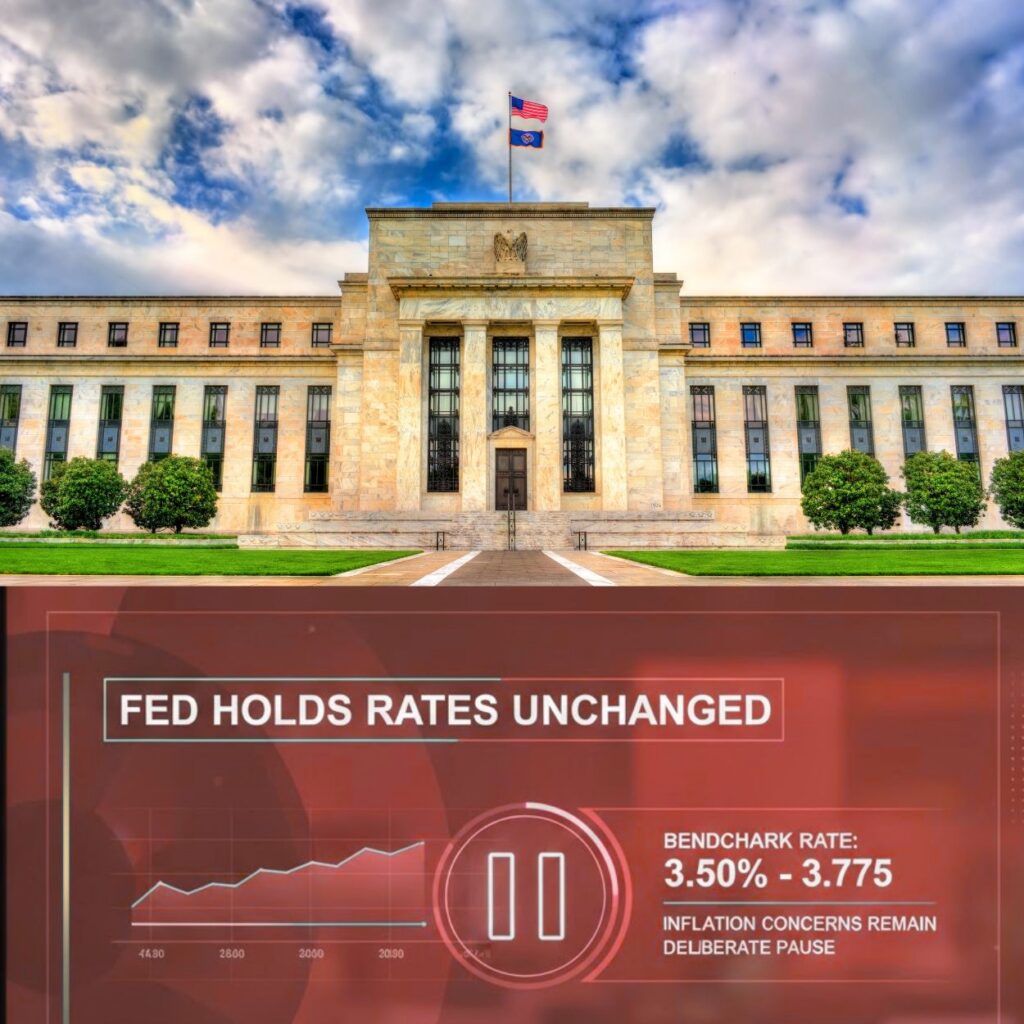
Federal Reserve Rate Cuts. Market expectations for aggressive 2026 Fed rate cuts are the primary catalyst. Lower rates reduce the opportunity cost of holding non-yielding gold, making it more attractive relative to bonds. Each Fed pivot signal sends gold higher because investors anticipate currency weakness ahead.
Dollar Weakness. A declining US dollar makes gold cheaper for international buyers, boosting demand from Europe, Asia, and emerging markets. The inverse relationship between the dollar and gold is one of the most reliable correlations in finance.
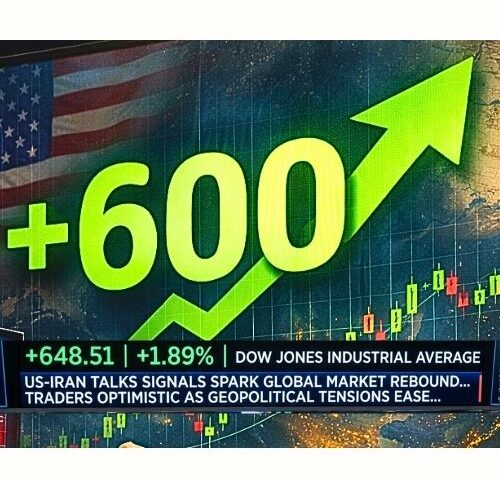
Geopolitical Risk. Escalating tensions in Eastern Europe, the Middle East, and Asia-Pacific regions push capital into defensive positions. Gold serves as the ultimate political insurance, which explains why uncertainty spikes consistently trigger gold rallies.
These three factors combined create a perfect storm for gold price 2026 strength.
Fed Rate Cut Expectations and the Gold Rally
The Federal Reserve’s 2026 guidance is reshaping portfolio allocation. If the Fed cuts rates three to four times this year, real yields—adjusted for inflation—will turn deeply negative. This creates a powerful incentive to rotate out of cash and short-duration bonds and into hard assets like gold.
Market pricing shows a 60%+ probability of at least two 25-basis-point cuts before June 2026. Each cut increases gold’s relative value because the metal doesn’t pay interest, so it becomes competitive when bond yields are suppressed. Additionally, rate cuts typically coincide with dollar weakness, creating a double tailwind for gold price 2026.
Gold Price 2026 vs Stocks, Bonds, and Bitcoin
Gold’s 2026 performance reveals critical portfolio dynamics:
- vs Stocks: Gold is outperforming equities, signaling investor caution about valuations and earnings growth.
- vs Bonds: As bond yields fall from Fed cuts, gold becomes competitive again after years of underperformance.
- vs Bitcoin: Gold and crypto both benefit from rate cuts, but gold carries less volatility and regulatory risk, making it the institutional choice in risk-off environments.
The correlation shift matters: when gold rallies while stocks fall, it confirms that fear, not greed, is driving markets.
Gold Price Forecast 2026: What Happens Next
Analysts differ on 2026 targets, but the consensus range is $4,500–$5,000 by year-end if:
- The Fed follows through with expected rate cuts
- The dollar weakens another 5–10% from current levels
- Geopolitical tensions remain elevated
- Inflation stays sticky, requiring longer-duration gold exposure
Downside risk exists if the Fed pauses cuts due to inflation surprises, which could push gold back toward $4,000. But the structural case for higher gold prices—negative real yields, geopolitical risk, central bank accumulation—remains intact.
Frequently Asked Questions
Q: What is the current gold price 2026 level? A: Gold price 2026 has broken above $4,300 per troy ounce, marking a major technical and psychological breakout driven by Fed rate cut expectations and dollar weakness.
Q: Why is gold price 2026 rising? A: Gold is rising due to three factors: (1) Expected Federal Reserve rate cuts reducing opportunity cost, (2) US dollar weakness making gold cheaper internationally, (3) Geopolitical risk creating demand for safe-haven assets.
Q: How do Fed rate cuts affect gold price 2026? A: Rate cuts lower real yields (bond yields minus inflation), making non-yielding gold more attractive. They also typically weaken the dollar, which increases international demand for gold and supports higher prices.
Q: What is the gold price 2026 target? A: Consensus forecasts range from $4,500–$5,000 by end of 2026, assuming Fed rate cuts continue and geopolitical risks remain elevated. Downside to $4,000 exists if inflation surprises force Fed to pause cuts.
Q: Should I buy gold in 2026? A: This depends on your portfolio allocation and risk tolerance. Gold serves as portfolio insurance against currency debasement and geopolitical risk, making it suitable as a 5–10% position for most investors. Consult a financial advisor for personalized guidance.
Q: Is gold price 2026 a buying opportunity or a warning? A: Gold breaking $4,300 sends both signals: opportunity for accumulation if you believe rates will fall further, and warning that equity investors are losing confidence in stock valuations. Both interpretations are valid depending on your time horizon and risk profile.
Learn more about Federal Reserve interest rate policy to understand how central bank decisions drive gold rallies.
Stay ahead of global markets, gold prices, central bank policy, and breaking finance news only on Daily Finance