Inauguration Day Trading: What Investors Are Watching Closely
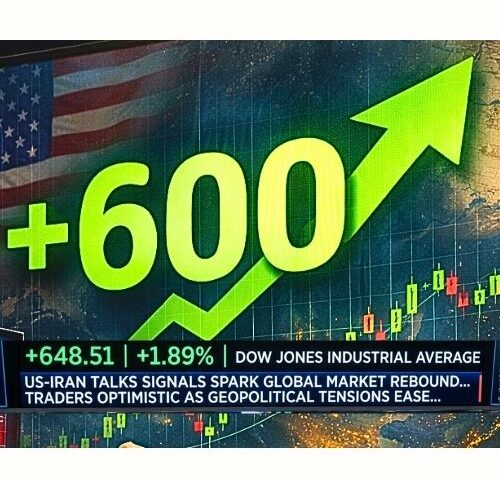
President Donald Trump’s January 20, 2026, inauguration is set to shake global markets. Investors and analysts are closely monitoring potential policy announcements, including tariffs, executive orders, and Fed interest rate guidance. Historical patterns suggest a mix of market rallies and short-term volatility, making this event a must-watch for traders, institutions, and international investors alike.
Historical Context: How Past Inaugurations Shaped Wall Street
Looking back, Trump’s first-term inauguration and prior re-election events had clear market impacts. The S&P 500 rose 15–21% in the first months following these inaugurations, largely fueled by tax incentives, deregulation, and energy sector support. Yet, markets were far from predictable: tweets and surprise policy announcements triggered sudden intra-day swings, particularly in tech, defense, and industrial sectors.
Inauguration day itself often sees regular trading halted, with futures contracts reflecting early investor sentiment. On past inaugurations, U.S. futures rose modestly amid confidence in policy tailwinds, offering an early snapshot of sector-specific trends. This historical insight is critical for traders positioning ahead of January 20, 2026.
Inauguration Day Market Reactions
On the day itself, several financial instruments are likely to experience heightened movement:
- U.S. Futures: Early indications suggest a 0.4–0.6% climb, with financials and energy sectors leading on expectations of pro-business policies.
- Gold: Investors flock to safe-haven assets; gold has already surged to $4,697/oz, providing a buffer against trade and geopolitical uncertainty.
- Bitcoin and Crypto: Digital assets are sensitive to policy uncertainty. Bitcoin slipped below $92,000, reflecting tariff fears and potential regulatory scrutiny on cryptocurrency reserves.
The Federal Reserve’s actions remain a key variable. Market watchers anticipate that the late-January Fed meeting may adjust rate-cut expectations based on inflation pressures from policy changes and trade negotiations.
Volatility Triggers: What Could Move Markets
Several factors are expected to drive volatility in the coming weeks:
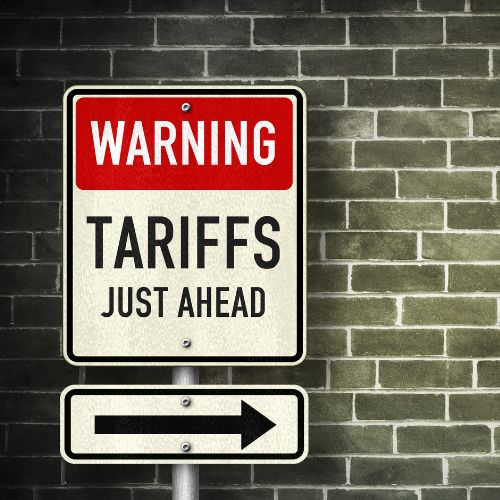
- Trade Policies: Potential 200% tariffs on EU goods and NATO allies, partly due to disputes over Greenland and other geopolitical issues, could pressure global indices.
- Executive Orders: Over 25 executive orders are expected on topics like immigration, crypto reserves, and energy emergencies, impacting currencies like the peso, yuan, and euro.
- Earnings & Jobs Data: Q4 corporate reports and U.S. labor data will test market resilience, highlighting potential sector winners and losers.
Market participants are advised to monitor both U.S. domestic developments and global ripple effects. Emerging market equities and currency valuations could fluctuate sharply in response to U.S. policy signals.
Global Implications of the Trump Inauguration 2026
The inauguration isn’t just a U.S. domestic story. It has profound implications for international investors:
- Emerging Markets: Capital flows may shift away from riskier assets in response to trade disputes and tariffs.
- Commodities: Gold, silver, and other precious metals are likely to see increased demand as safe-haven assets.
- Cryptocurrencies: Crypto adoption may slow if policy signals tighter regulation or reserve requirements.
For multinational corporations, global trade agreements could be revisited, potentially affecting supply chains, logistics costs, and commodity pricing. Currency volatility is expected in regions heavily tied to U.S. trade policies.
Sector-Specific Insights
Certain sectors are likely to feel the immediate impact:
- Financials: Banks and investment firms could benefit short-term from deregulation and corporate tax optimism.
- Energy: Fossil fuels and energy infrastructure may see gains if policies favor domestic production.
- Tech: Tech giants and defense contractors remain sensitive to tariff risks, regulatory scrutiny, and executive messaging.
Investors should position portfolios with these sectoral risks in mind, balancing exposure with hedging strategies like gold, commodities, or diversified global ETFs.
Volatility Management Strategies
Given the expected turbulence, traders and investors are advised to:
- Use futures contracts and options to hedge risk in key indices like S&P 500 and NASDAQ.
- Allocate a portion of portfolios to safe-haven assets like gold and U.S. treasuries.
- Monitor crypto exposure, especially assets sensitive to U.S. regulatory policy.
- Track short-term FX movements for currency-sensitive investments.
Proactive risk management will be essential to protect capital while taking advantage of potential market rallies.
Analyst Outlook & Predictions
Analysts anticipate a “new volatile era” for U.S. equities, shaped by a mix of policy-driven rallies and uncertainty. While banks and energy firms may outperform initially, trade-exposed sectors could lag until policy clarity emerges.
Earnings growth projections remain strong, with EPS growth estimated at 10%, but midterm political shifts could produce corrections or sudden swings. Investors are advised to maintain flexible strategies and closely follow both economic indicators and executive directives.
Conclusion: Trump Inauguration Wall Street 2026
Donald Trump’s January 20, 2026, inauguration represents a market-moving catalyst with wide-reaching implications. Traders, investors, and global institutions should expect elevated volatility, sector rotation, and currency movements.
The key takeaway: understanding historical patterns, monitoring policy announcements, and staying nimble with portfolio strategies is essential.
For continuous breaking updates on global finance, trade policies, and market reactions, follow Daily Finance and stay ahead of the curve.