Washington | January 29, 2026
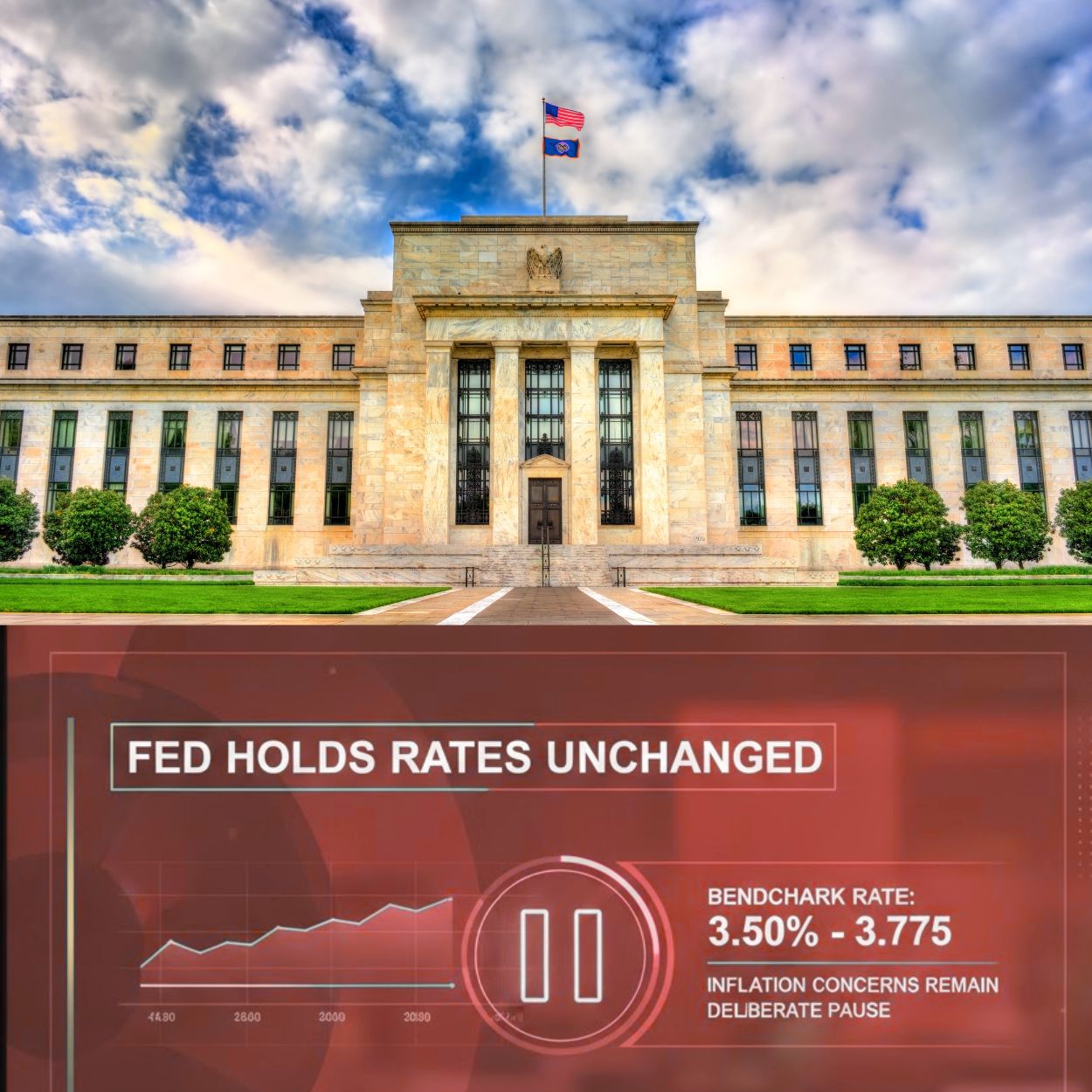
The US Federal Reserve on Wednesday kept its benchmark interest rates unchanged at 3.5%–3.75%, as expected, signaling a deliberate pause in monetary easing while inflation remains above the central bank’s long-term target.
The decision followed a two-day meeting of the Federal Open Market Committee (FOMC) and came after three rate cuts in 2025. Federal Reserve Chair Jerome Powell said the current policy stance is appropriate to balance economic growth and inflation risks as the US economy enters 2026.
“In support of our goals, the Committee decided to maintain the target range for the federal funds rate,” the FOMC said in its statement, reiterating its commitment to maximum employment and price stability.
Inflation Still Elevated, Growth Resilient
Powell noted that inflation continues to run above the Fed’s 2% target, largely due to higher goods prices linked to tariffs. However, he emphasized that services inflation is gradually easing and longer-term inflation expectations remain well anchored.
Economic activity, according to the Fed, is expanding at a solid pace. Consumer spending has remained resilient, and business investment continues to support growth, although the housing sector remains under pressure due to higher borrowing costs.
The labour market is showing signs of stabilization, with unemployment edging lower in recent months. At the same time, payroll growth has slowed, reflecting softer labour demand and structural shifts, including the early impact of artificial intelligence on hiring patterns.
Fed Vote and Policy Outlook
The FOMC voted 10–2 in favour of keeping rates unchanged. Governors Christopher Waller and Stephen Miran dissented, supporting a 25-basis-point cut at this meeting.
Powell stressed that rate hikes are not the base case, but the Fed is not yet ready to commit to a rapid easing cycle. According to the central bank’s projections, only one 25-basis-point rate cut is expected in 2026, subject to incoming data on inflation and employment.
“Policy will remain firmly data-driven,” Powell said, adding that future adjustments will depend on how risks to inflation and the labour market evolve.
Market Reaction and Asset Shifts
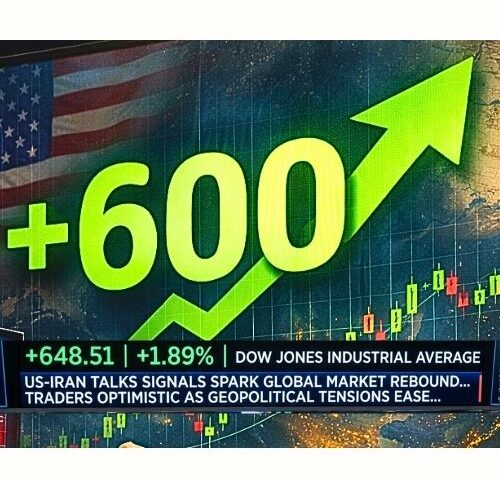
Financial markets reacted calmly to the announcement. US equity indices ended marginally higher, while Treasury yields firmed as expectations for near-term rate cuts diminished. The US dollar remained broadly steady following the decision.
Commodities, however, saw a stronger response. Gold prices jumped sharply, extending a record-breaking rally, as investors increased allocations to hard assets amid concerns around fiscal sustainability, geopolitical uncertainty, and long-term policy credibility.
What This Means Going Forward
The January meeting underscores a broader shift in US monetary policy. Rather than acting as a growth accelerator, the Federal Reserve is positioning itself as a risk stabilizer, prioritizing credibility, flexibility, and inflation control over speed.
As 2026 unfolds, markets will remain highly sensitive to inflation prints, labour market data, and trade-related developments, with the Fed signaling that patience—not urgency—will define its next move.