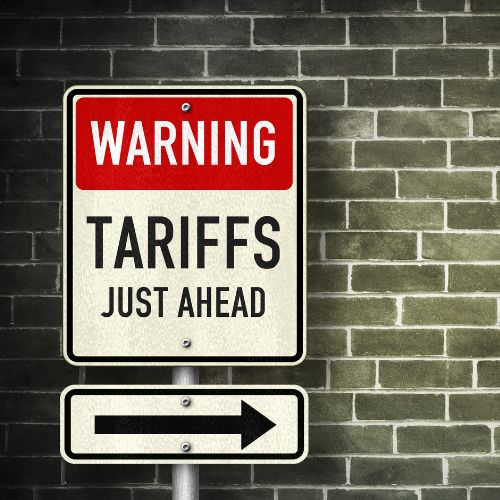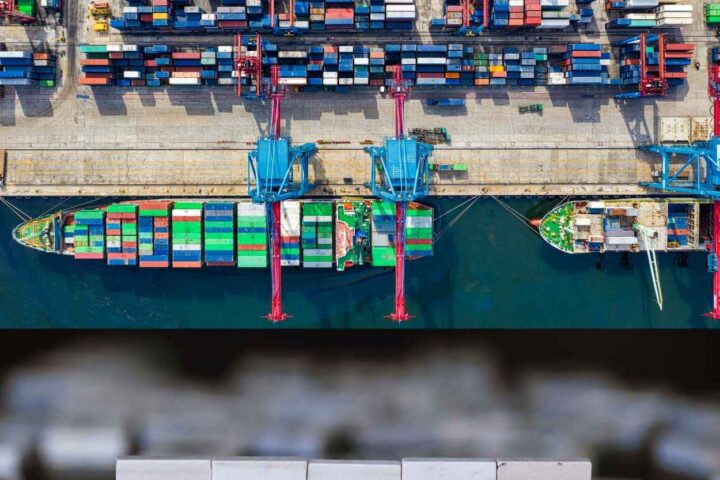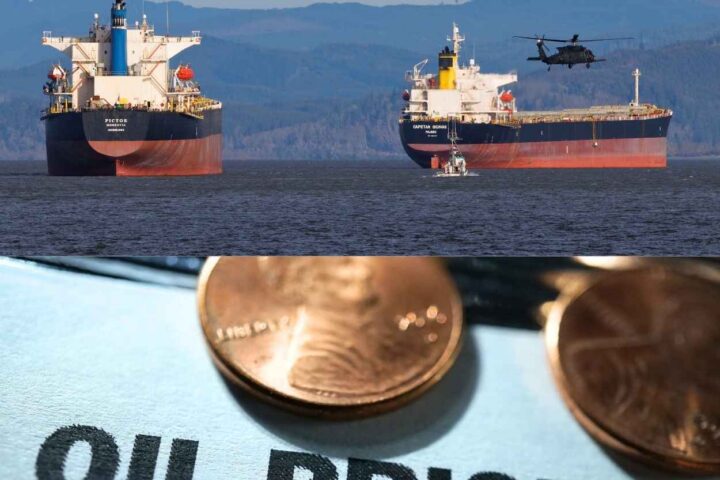
The United States has sharply escalated tensions with Europe after President Donald Trump announced new tariffs on imports from eight European countries, citing an unresolved dispute over Greenland. The move represents one of the most aggressive trade actions taken against NATO allies in recent years and highlights a broader shift in how economic tools are being used to pursue geopolitical objectives.
From February 1, 2026, the US will impose an additional 10% tariff on goods imported from Denmark, Norway, Sweden, France, Germany, the United Kingdom, the Netherlands, and Finland. President Trump warned that the tariff rate will rise to 25% by June 1 if US conditions related to Greenland are not met.
Tariffs Layered on Existing Duties
The newly announced measures will add to existing US trade barriers. The United Kingdom already faces a 10% tariff, while the other seven European countries are subject to a 15% duty. If the new penalties take full effect, combined tariffs could reach nearly 40% on some European exports, significantly disrupting transatlantic trade.
All eight countries targeted are long-standing NATO allies, making the move especially controversial and raising concerns about the future of US–Europe economic cooperation.
Why Greenland Is at the Center of the Dispute
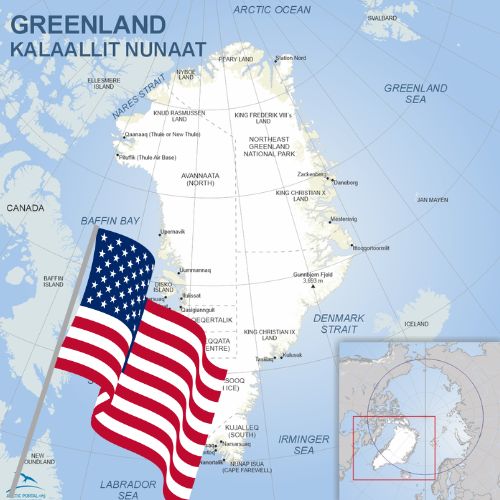
Greenland, an autonomous territory within the Kingdom of Denmark, has emerged as a critical strategic asset. Its location in the Arctic makes it increasingly important for missile defence systems, military logistics, Arctic shipping routes, and access to rare earth minerals.
President Trump has repeatedly argued that US control over Greenland is necessary for national and global security. Both Denmark and Greenland have rejected any proposal to sell or transfer sovereignty, reaffirming their commitment to territorial integrity.
In response to growing pressure, Denmark has expanded its military presence in Greenland, while the other seven European nations have deployed limited personnel to the region as a show of alliance unity and deterrence.
Europe Warns of a Dangerous Downward Spiral
In a joint statement released on Sunday, the eight European governments warned that the tariff threat risks damaging decades of transatlantic cooperation.
“Tariff threats undermine transatlantic relations and risk a dangerous downward spiral,” the statement said, while confirming readiness to engage in dialogue based on sovereignty and international law.
Despite the diplomatic tone, European leaders are actively preparing countermeasures.
EU Prepares Retaliation Against the United States
According to multiple reports, European policymakers are considering retaliatory tariffs on up to €93 billion worth of US imports. Discussions are also underway to delay progress on the EU–US trade agreement, which still requires approval from national parliaments.
A key option under review is the EU’s anti-coercion instrument, designed to counter economic pressure from foreign governments. If triggered, it could:
- Restrict US participation in EU public tenders
- Limit American access to European investment and banking markets
- Target US dominance in surplus service sectors such as digital services
Such actions would represent a shift from symbolic retaliation to structural economic resistance.
What This Means for Global Business and Markets
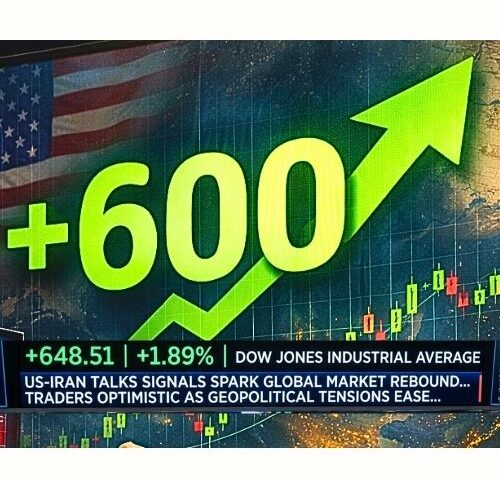
For multinational companies and investors, the consequences are immediate. Trade policy has evolved into a geopolitical enforcement tool, not just an economic mechanism.
Businesses operating across US–EU supply chains now face:
- Increased tariff volatility
- Heightened regulatory and political risk
- Potential disruption in manufacturing, technology, and digital services
Executives are being forced to reassess assumptions about alliance stability, trade predictability, and long-term market access.
A Turning Point in Transatlantic Relations
While Greenland may seem geographically distant, the dispute reflects a larger global trend: economic power is increasingly being used to contest strategic territory and influence. The outcome could redefine how sovereignty, trade, and security intersect in the coming decade.
Whether diplomacy prevails or escalation continues, one conclusion is unavoidable. The era of frictionless transatlantic trade has ended. What replaces it will depend on how far the United States and Europe are willing to push economic pressure in pursuit of strategic advantage.
FAQs
Why is the US imposing tariffs on European countries?
The US says the tariffs are linked to a dispute over Greenland, which Washington views as strategically critical for security and defence.
Which countries are affected by the new US tariffs?
Denmark, Norway, Sweden, France, Germany, the UK, the Netherlands, and Finland.
When will the US tariffs take effect?
A 10% tariff begins on February 1, 2026, with a potential increase to 25% on June 1.
How is Europe responding to the US tariff threat?
European leaders are considering retaliatory tariffs, delaying the EU–US trade deal, and activating the EU anti-coercion instrument.