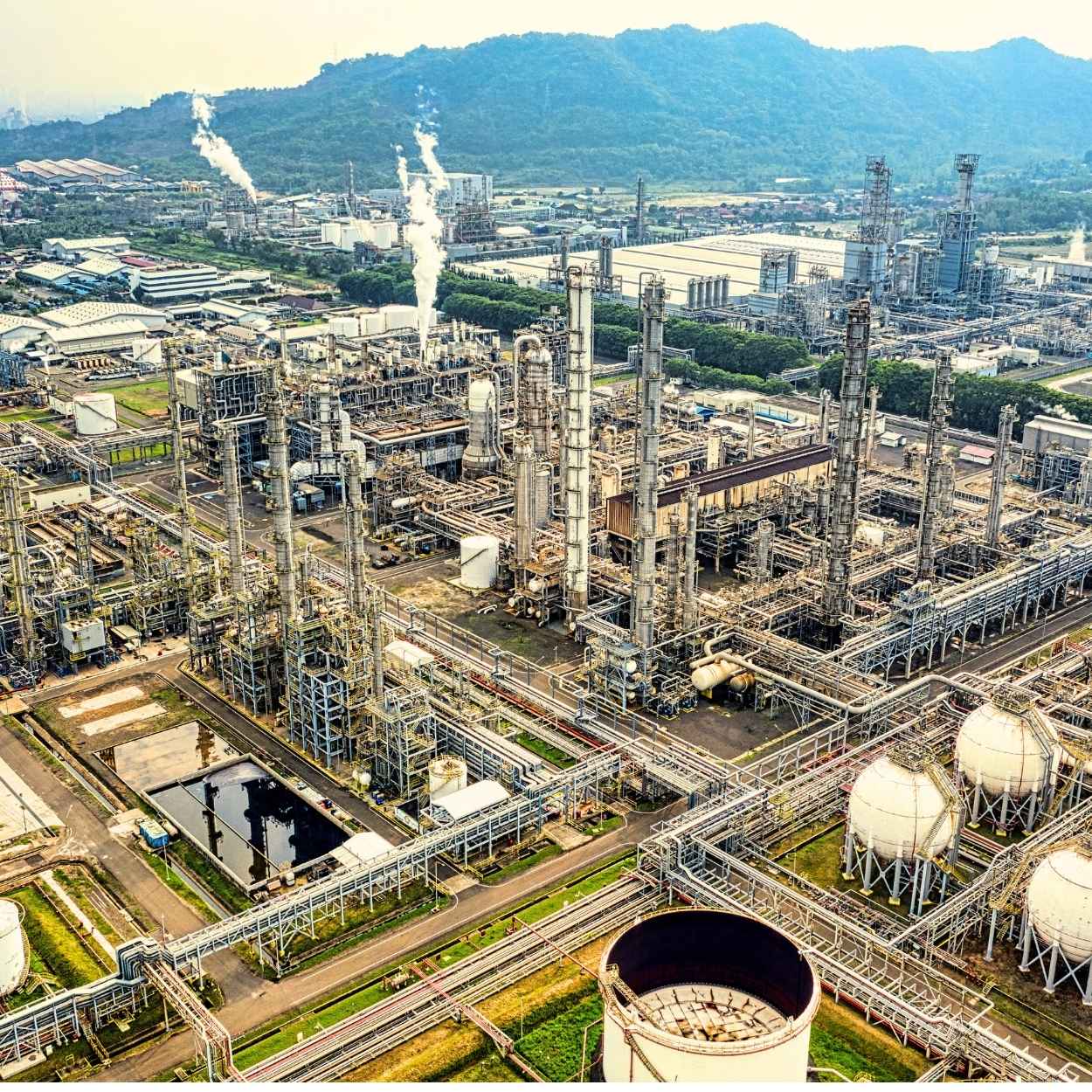
US stocks staged a remarkable recovery on Monday, March 10, 2026, wiping out steep early losses to close in positive territory after oil prices collapsed from nearly 120 dollars per barrel back below 90 dollars. The dramatic reversal was triggered by comments from President Donald Trump suggesting the military conflict with Iran was largely over.
WHAT HAPPENED ON WALL STREET TODAY
The US stock market experienced one of its most volatile trading sessions in recent memory on Monday. All three major US indices opened sharply lower before executing a stunning late-session reversal.
The S&P 500 fell as much as 1.5 percent in morning trading before recovering to close up 0.8 percent, finishing at 6,795.99. The Dow Jones Industrial Average, which had plunged nearly 900 points at its lowest point of the day, ultimately closed up 239.25 points, or 0.5 percent, settling at 47,740.80. The Nasdaq Composite, which is heavily weighted toward technology stocks, climbed 1.4 percent to close at 22,695.95.
These gains represent a dramatic turnaround for a market that began the week deeply rattled by the escalating conflict between the United States and Iran and the resulting spike in global oil prices.
WHY DID OIL PRICES SPIKE TO NEARLY 120 DOLLARS
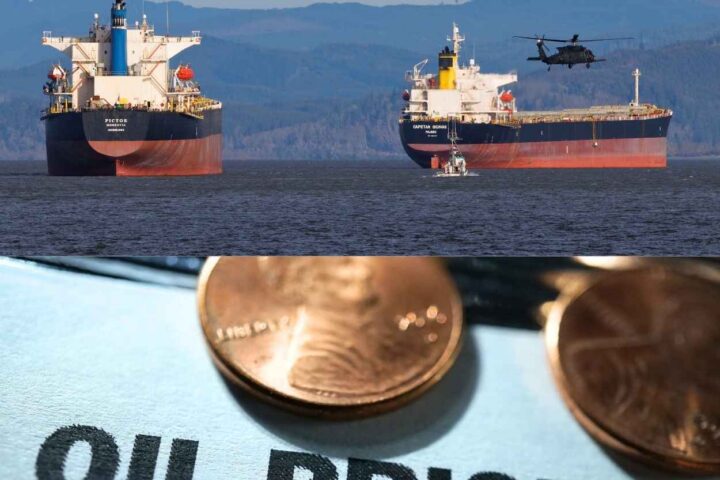
Oil prices surged to their highest levels since the summer of 2022 on Monday morning, with Brent crude briefly touching 119.50 dollars per barrel. US benchmark crude also touched 119.48 dollars per barrel during the session.
The primary driver of this surge was intense fear surrounding the Strait of Hormuz, a strategically critical waterway located off the coast of Iran. Approximately one fifth of the entire world’s daily oil supply passes through this narrow strait. Iran had threatened to disrupt or block ship traffic through the strait in response to military action, which sent shockwaves through global energy markets.
According to oil and gas strategists at Macquarie Research, if the Strait of Hormuz remained closed for even a few weeks, oil prices could surge to 150 dollars per barrel or higher. That level of energy prices would represent a serious threat to the global economy.
WHY DID OIL PRICES THEN FALL BACK BELOW 90 DOLLARS?
Oil prices reversed sharply during the final hour of Wall Street trading after President Donald Trump made a series of significant statements to CBS News. Trump said he believed the war with Iran was, in his words, very complete, pretty much. He also stated that Iran had nothing left in a military sense, suggesting the conflict was winding down faster than markets had feared.
Trump additionally raised eyebrows by saying he was thinking about taking over the Strait of Hormuz, a statement that further eased concerns about a prolonged disruption to global oil supply.
Earlier in the day, there had also been talk among the Group of Seven, the world’s seven largest economies, about coordinating action to push back against oil price spikes, which helped begin the decline in crude prices before Trump’s comments accelerated it.
Brent crude settled at 98.96 dollars per barrel in afternoon trading and continued falling below 90 dollars after markets closed. US crude settled at 94.77 dollars before also sinking toward 85 dollars per barrel.
WHAT IS THE STRAIT OF HORMUZ AND WHY DOES IT MATTER
The Strait of Hormuz is one of the most strategically important energy chokepoints in the entire world. It is a narrow waterway situated between Iran and the Arabian Peninsula, connecting the Persian Gulf to the Gulf of Oman and the wider Arabian Sea.
On a normal day, roughly one fifth of the world’s total oil supply passes through this strait. This includes oil from Saudi Arabia, the United Arab Emirates, Kuwait, Iraq, and Iran itself. Any disruption to traffic through the Strait of Hormuz would immediately reduce global oil supply and push prices sharply higher, affecting economies around the world.
Iran’s earlier threats to disrupt or ignite ships in the strait had directly fueled Monday morning’s oil price spike to near 120 dollars per barrel.
WHAT DOES HIGH OIL MEAN FOR THE ECONOMY AND INFLATION
Sustained high oil prices pose a serious risk to the global economy on multiple levels. For ordinary households, high oil prices translate directly into higher prices at the gas pump and higher home heating costs. For businesses, elevated energy costs raise expenses for transportation, manufacturing, and logistics, which are typically passed on to consumers in the form of higher prices for goods and services.
The most feared economic outcome from persistently high oil prices is stagflation, a condition where economic growth stagnates while inflation remains elevated. This is considered one of the most difficult economic environments for policymakers to manage, because the tools used to fight inflation, such as raising interest rates, tend to slow economic growth further.
These concerns were already present before Monday’s events. A jobs report released on Friday showed that US employers cut more jobs last month than they created, a discouraging sign for the health of the labour market.
WHAT ARE GLOBAL STOCK MARKETS DOING
International stock markets, which tend to be more vulnerable to oil price spikes because many countries in Europe and Asia are heavily dependent on imported oil and natural gas, suffered significant declines on Monday before Trump’s comments were made public.
South Korea’s Kospi index fell 6 percent. Japan’s Nikkei 225 tumbled 5.2 percent. France’s CAC 40 declined 1 percent. These sharp drops reflected investor fears about the economic damage that prolonged high oil prices could cause to import-dependent economies.
WHAT HAPPENED IN THE BOND MARKET?
The yield on the US 10-year Treasury bond fell to 4.10 percent by the end of the day, down from 4.15 percent at the close of trading on Friday. Treasury yields had briefly risen above 4.20 percent during the morning session as inflation fears pushed borrowing costs higher. However, as oil prices retreated and growth concerns reasserted themselves, yields pulled back. The bond market’s behaviour on Monday reflected the competing forces of inflation fear, which pushes yields up, versus economic slowdown concern, which pulls yields down.
WHAT DID TRUMP SAY ON SUNDAY?
On Sunday night, Trump posted on his social media network defending the situation, acknowledging that oil prices were temporarily high but framing it as a worthwhile cost. He argued that short-term oil price increases were a small price to pay for the safety and peace of the United States and the world once the Iran nuclear threat was eliminated.
EXPERT OUTLOOK ON OIL AND STOCK MARKETS
Despite the extreme volatility in recent sessions, some professional investors are urging calm and pointing to potential opportunity. Sameer Samana, Head of Global Equities and Real Assets at Wells Fargo Investment Institute, stated that the firm continues to believe the current acute oil shortage will be reversed in the coming months as new supply comes online, and that oil prices should drop significantly from current levels.
The US stock market also has a historical track record of recovering relatively quickly from military conflicts, provided that oil prices do not remain elevated for an extended period. Even after all the recent turbulence, the S&P 500 remains within 3 percent of its all-time record set in January 2026, suggesting the broader market has not yet entered serious bear market territory.
FAQS
1.What caused the US stock market to drop on March 10 2026?
The market fell initially due to oil prices spiking to nearly 120 dollars per barrel as the conflict between the United States and Iran intensified and fears grew about disruption to the Strait of Hormuz.
2.Why did stocks recover and close higher?
President Trump told CBS News late in the trading session that he believed the war with Iran was essentially over and that Iran had nothing left militarily, calming investor fears about a prolonged conflict.
3.Will oil prices go back up?
Analysts at Macquarie Research warn prices could spike to 150 dollars or more if the Strait of Hormuz remains blocked. However, Wells Fargo Investment Institute expects oil to drop significantly in the coming months as new supply enters the market.
4.What is stagflation and why are people worried about it?
Stagflation is an economic condition where growth slows while inflation stays high. It is difficult to fix because interest rate increases that fight inflation also slow growth further. High oil prices are considered one of the classic triggers of stagflation.
5.Is the S&P 500 in a bear market?
No. Despite recent volatility, the S&P 500 remains within 3 percent of its January 2026 all-time record high.
Stay ahead of global markets, gold prices, central bank policy, and breaking finance news only on Daily Finance