April 27, 2026
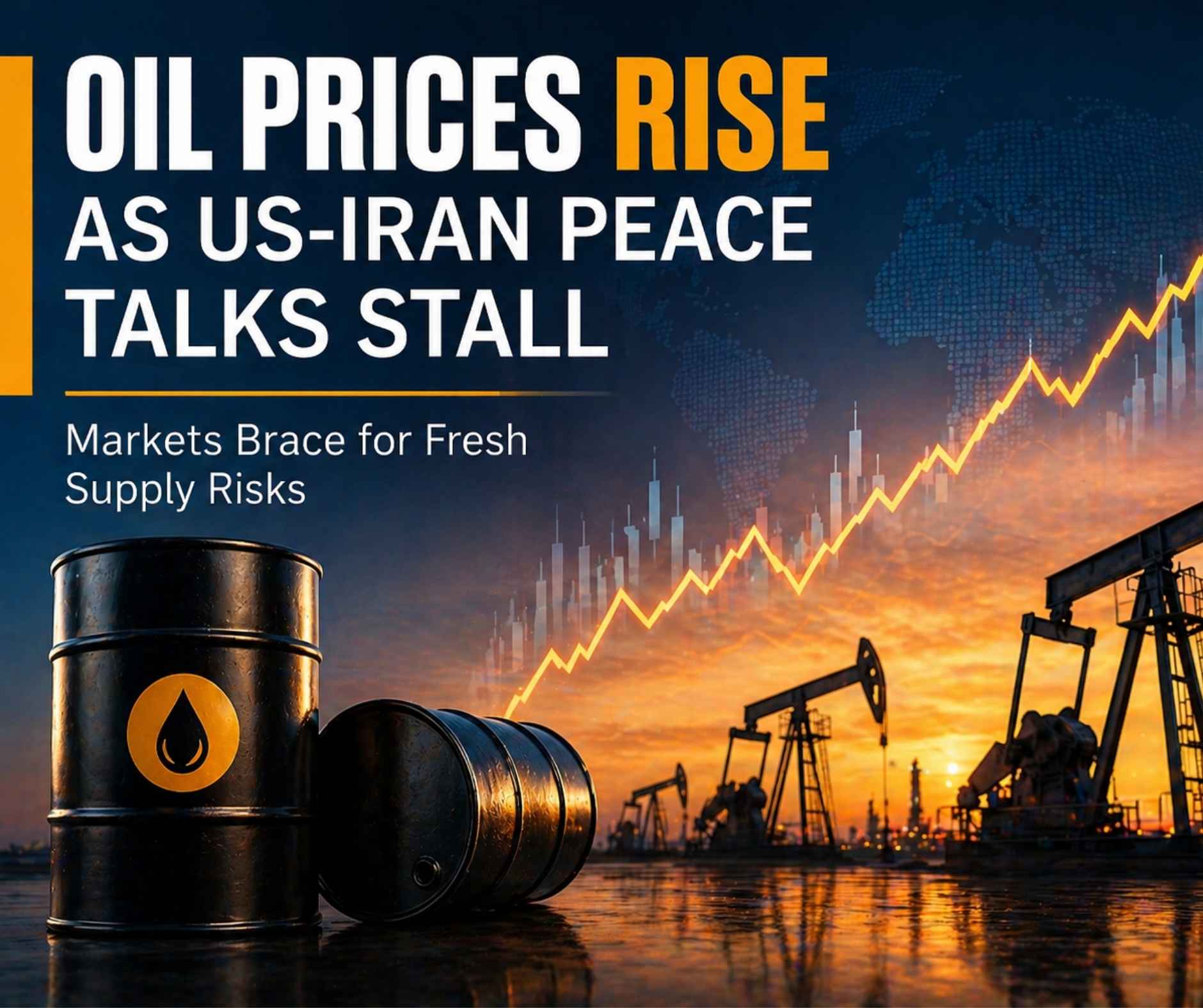
Global oil markets moved higher on Monday as renewed uncertainty surrounding US-Iran peace talks created fresh pressure on energy prices. Investors reacted after planned negotiations between Washington and Tehran were delayed once again, increasing concerns that tensions in the Middle East could continue disrupting global crude supplies.
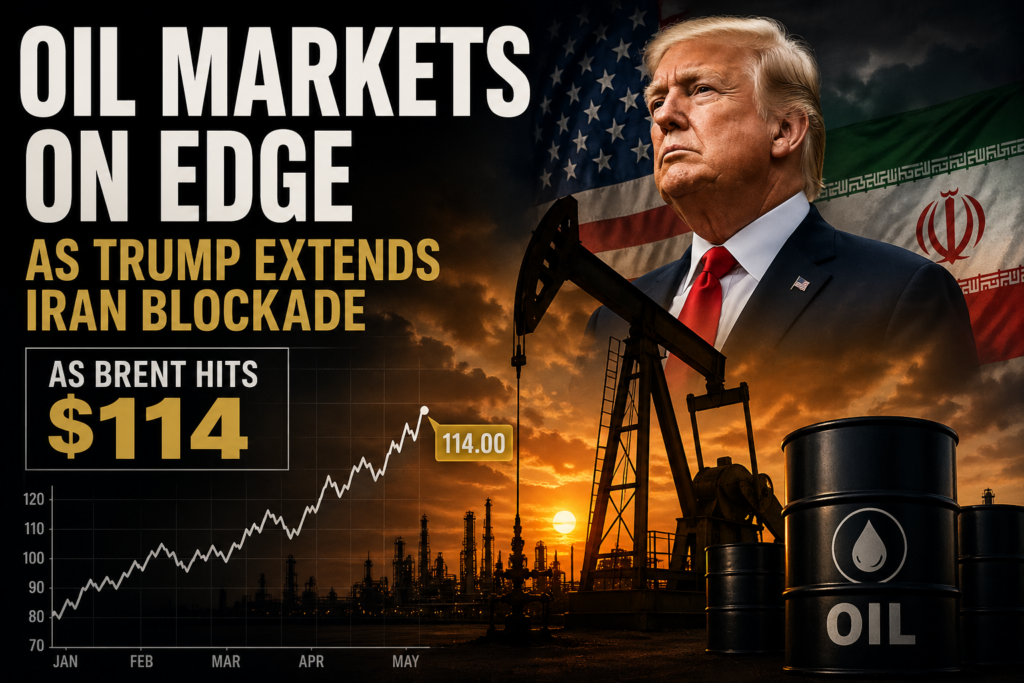
Brent crude, the international benchmark, climbed around 1% to trade near $106.50 per barrel, while West Texas Intermediate crude rose roughly 1% to $95.40. The gains extend a broader rally that has kept energy markets volatile in recent weeks and reinforced fears that geopolitical tensions remain a serious threat to supply stability.
The latest jump in crude prices followed comments from US President Donald Trump, who said Washington had canceled plans to send officials to Pakistan for another round of talks with Iranian representatives. Markets had been watching the diplomatic channel closely in the hope that progress could calm tensions and reduce the risk premium built into oil prices. Instead, the cancellation has revived worries that the conflict may continue longer than expected.
Much of the concern centers on the Strait of Hormuz, one of the most important shipping routes in the global energy market. Nearly one-fifth of the world’s crude oil and liquefied natural gas normally passes through the narrow waterway. Any threat to safe passage can have an immediate impact on prices, insurance costs, and shipping schedules.
That explains why oil prices rise so quickly whenever tensions flare in the Gulf region. Traders understand that even limited disruption in the strait can tighten supply and force buyers to seek more expensive alternatives elsewhere.
Iranian officials have recently indicated that discussions are taking place with Oman regarding regional security and safe maritime transit. While those signals may appear positive, investors are no longer responding strongly to verbal assurances alone. After several failed ceasefire efforts and repeated diplomatic setbacks, markets now want concrete evidence before pricing in a sustained decline in crude.
This shift in sentiment is significant. In earlier phases of the conflict, a peace headline could send oil lower almost instantly. Now, traders seem more cautious, preferring to wait for confirmed action rather than promises. As a result, prices remain elevated despite occasional optimistic statements.
Higher oil prices also raise wider economic concerns. Crude remains one of the most influential commodities in the global economy, affecting transportation, manufacturing, logistics, and household fuel bills. If Brent remains above the $100 level for an extended period, inflation risks could return in multiple regions just as many central banks were beginning to see price pressures ease.
For import-dependent economies such as India, Japan, and South Korea, expensive oil can create additional strain. Higher energy bills often widen trade deficits, weaken currencies, and increase the cost of goods across the supply chain. Consumers may feel the impact through higher petrol prices, airline fares, and transport-linked goods.
Interestingly, Asian stock markets showed resilience despite the latest rise in oil. Japan’s Nikkei 225 advanced strongly, while South Korea’s Kospi also posted gains. Investors appear to believe that regional economies can manage near-term energy shocks so long as supply routes remain open and the crisis does not escalate further.
However, that optimism could be tested if crude prices continue moving higher. Levels above $110 per barrel would likely place new pressure on transport companies, airlines, manufacturers, and chemical producers. Equity markets may also become more volatile if investors begin to price in renewed inflation and slower economic growth.
Looking ahead, the direction of oil markets will depend largely on diplomacy and security developments. If negotiations between the United States and Iran resume and meaningful progress is made, prices could cool quickly. On the other hand, any confirmed threat to tanker traffic or additional military escalation could push crude sharply higher in a short period.
Analysts expect Brent to remain highly volatile this week, with traders reacting rapidly to headlines from Washington, Tehran, and Gulf shipping routes. Official statements, inventory data, and comments from major oil producers are all likely to influence short-term moves.
For now, geopolitical risk remains the dominant force in the market. Oil prices rise because traders see too much uncertainty and too little progress. Until there is credible diplomatic movement or improved confidence around the Strait of Hormuz, energy markets are likely to stay tense.
For businesses, consumers, and policymakers, the message is clear: oil volatility is not over, and the global economy remains highly sensitive to events in the Middle East.
FAQs
Why are oil prices rising today?
Oil prices are rising because peace talks between the United States and Iran have stalled, increasing fears of supply disruption in the Middle East.
Why is the Strait of Hormuz important?
The Strait of Hormuz is a major shipping route through which around 20% of the world’s crude oil and LNG supplies pass.
Could petrol prices rise again?
Yes, if crude oil remains elevated for several weeks, fuel prices in many countries may increase.
How high could Brent crude go?
Analysts believe Brent could test the $110 range if geopolitical tensions worsen or shipping routes are disrupted.
Will oil prices fall soon?
Prices may fall if diplomatic talks restart and markets receive clear evidence of easing tensions.
CTA
Stay ahead of breaking finance, markets, crypto, and global business news with DF Media — your trusted source for fast, sharp, and reliable coverage that matters.