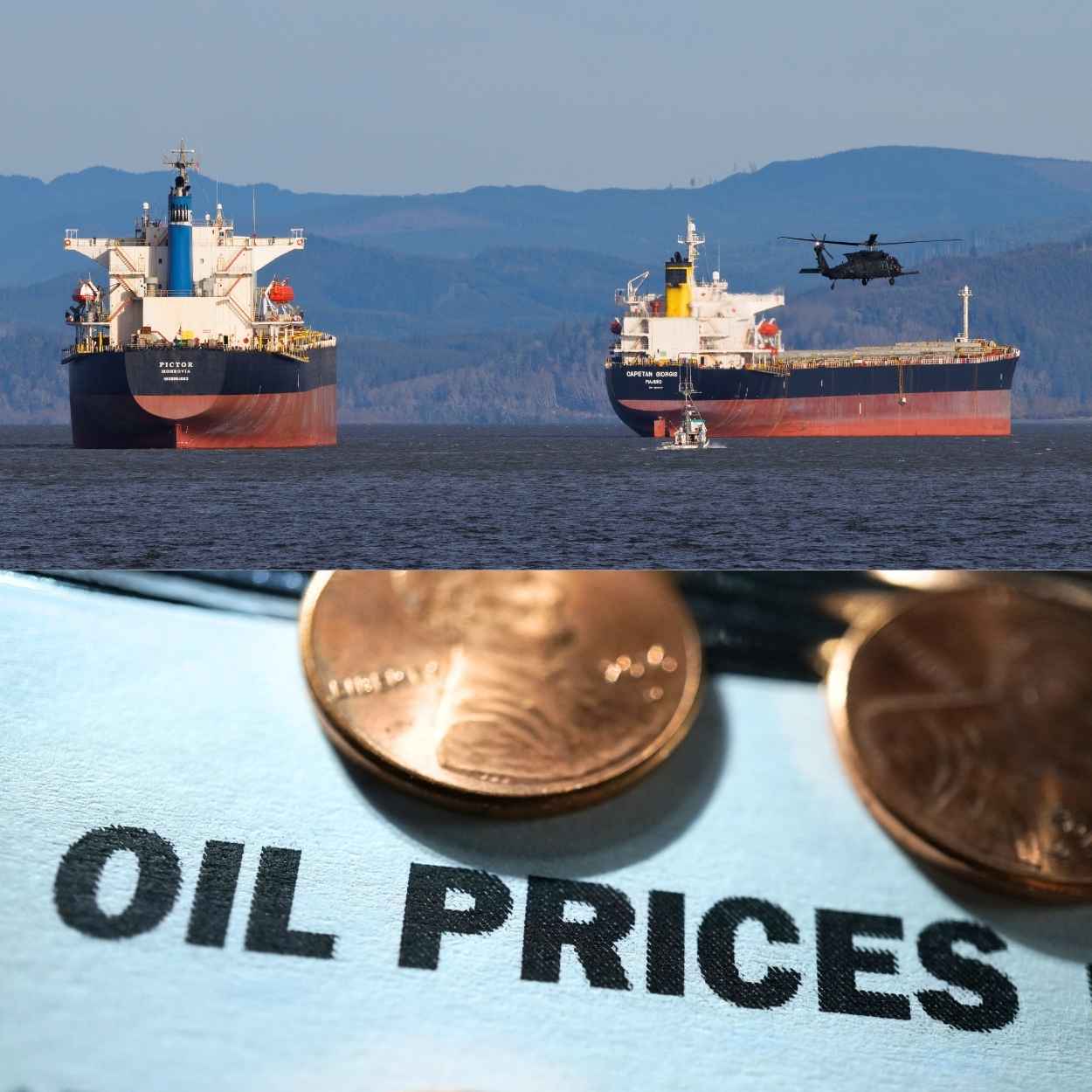
Global energy markets were jolted on Thursday after oil prices surged back above the critical $100 level. Escalating attacks on shipping routes in the Persian Gulf and warnings from Iran’s leadership about blocking the Strait of Hormuz have raised serious concerns about a potential global supply crisis.
Benchmark Brent Crude Oil briefly touched more than $101 per barrel before easing slightly, while U.S. benchmark West Texas Intermediate climbed sharply as investors reacted to growing geopolitical risks in the Middle East.
The renewed spike in oil prices highlights how fragile global energy supply chains have become and signals that commodity market volatility may dominate financial markets in 2026.
Iran’s Warning Triggers Global Market Reaction
Oil markets reacted quickly after Iran’s new supreme leader, Mojtaba Khamenei, made a strong statement declaring that the Strait of Hormuz should remain closed and that Iran would continue targeting military bases and infrastructure across the Gulf region.
The narrow shipping corridor connects the Persian Gulf to global markets and carries roughly 20 percent of the world’s oil supply each day. Any disruption to this route can quickly trigger dramatic swings in global energy prices.
Following the announcement, oil futures surged as traders rushed to price in the possibility of a prolonged supply disruption.
Tanker Attacks Escalate Supply Fears
The latest oil rally also followed a series of attacks on cargo vessels and oil tankers across the Gulf. Reports indicate that at least six ships have been targeted within a two-day period.
Two Iraqi tankers were reportedly struck offshore, forcing operations at nearby export terminals to temporarily halt. At the same time, Oman evacuated vessels from its major export terminal at Mina Al Fahal due to rising security concerns.
These incidents have intensified fears that global oil shipments could face serious disruptions if tensions escalate further.
Historic Supply Disruption Warning
The escalating conflict has prompted warnings from global energy agencies. In its latest market report, the International Energy Agency said the situation could lead to one of the largest oil supply disruptions in modern history.
According to the agency, Gulf countries have already reduced oil production by nearly 10 million barrels per day due to security risks and infrastructure disruptions.
The organization also warned that global oil supply could fall by about 8 million barrels per day this month, even after accounting for increased production from other countries.
Record Emergency Oil Reserve Release
To stabilize energy markets, the International Energy Agency announced the largest coordinated release of emergency oil reserves ever recorded.
The organization’s member countries agreed to release 400 million barrels of oil from strategic reserves to help offset the supply shock.
However, the move has not fully calmed markets. Investors remain concerned that the reserve release may only provide temporary relief if the conflict continues to escalate.
Oil Market Volatility Surges
The dramatic price swings have pushed oil market volatility to its highest levels in years. The Cboe Crude Oil Volatility Index, which measures uncertainty in the oil market, surged sharply and is approaching levels last seen during the early months of the pandemic.
Market analysts say the combination of military conflict, tanker attacks, and supply disruptions is creating a highly unstable trading environment.
Some experts now believe commodity price volatility will remain a key theme in global markets for the foreseeable future.
Economic Risks Begin to Grow
Rising oil prices often ripple across the broader economy. Higher energy costs can increase transportation expenses, drive up consumer prices, and slow economic growth.
Analysts at Deutsche Bank warn that if oil remains near or above $100 per barrel, it could increase the risk of stagflation, a situation where inflation rises while economic growth slows.
That scenario would create a difficult challenge for central banks, which are already navigating uncertain economic conditions.
Global Markets Brace for Energy Shock
For investors, the key question now is whether tensions in the Middle East will escalate further or begin to stabilize. With critical shipping routes under threat and geopolitical risks rising, traders are closely watching developments around the Strait of Hormuz.
If the corridor remains disrupted, global oil markets could face prolonged supply pressure. That would likely keep energy prices elevated and drive further volatility across financial markets.
For now, the surge above $100 serves as a reminder that geopolitical shocks can still move global markets overnight—and that energy security remains one of the most important forces shaping the world economy today. Source
FAQs
Why did oil prices rise above $100?
Oil prices surged due to escalating attacks on ships and infrastructure near the Strait of Hormuz, raising fears of a major disruption to global oil supply.
Why is the Strait of Hormuz so important?
The Strait of Hormuz is a crucial shipping route connecting Gulf oil producers to global markets. Around 20 percent of the world’s crude oil exports pass through it.
What is Brent crude oil?
Brent Crude Oil is the global benchmark used to price most internationally traded crude oil.
What is West Texas Intermediate crude?
West Texas Intermediate is the primary oil benchmark used in the United States and reflects domestic crude prices.
What did the IEA do to stabilize markets?
The International Energy Agency approved a record release of 400 million barrels of emergency oil reserves to reduce supply pressure in global markets.
Stay ahead of global markets, gold prices, central bank policy, and breaking finance news only on Daily Finance