Oil Shock, AI Earnings, and Middle East Tensions Drive Market Volatility
Global financial markets faced renewed turbulence on May 18, 2026, as rising oil prices, Gulf drone attacks, inflation fears, and soaring bond yields triggered a widespread selloff across stocks and increased anxiety among investors worldwide.
European and Asian stock markets moved lower while US futures weakened sharply ahead of a critical week dominated by geopolitical tensions and major technology earnings, especially from NVIDIA.
The market decline follows escalating conflict in the Middle East after the United Arab Emirates confirmed a drone attack on the Barakah nuclear power plant. Saudi Arabia also announced it intercepted three drones entering from Iraqi airspace, intensifying fears that regional instability could expand further across the Gulf.
Why Are Global Markets Falling Today?
The biggest reason behind today’s financial market volatility is the growing threat to global oil supply chains.
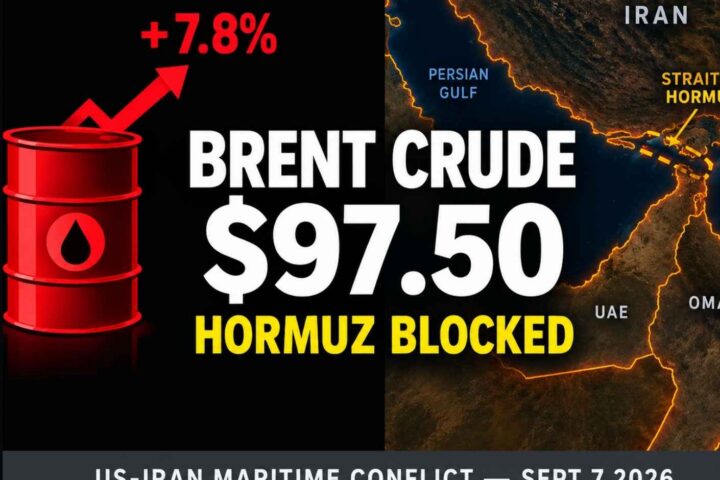
The Strait of Hormuz, one of the world’s most important oil shipping routes, remains heavily disrupted. The route normally carries nearly 20% of global oil and gas trade, but ongoing attacks and shipping restrictions are now creating fears of long-term shortages.
Analysts estimate nearly one billion barrels of oil could become trapped behind the strait if disruptions continue through May.
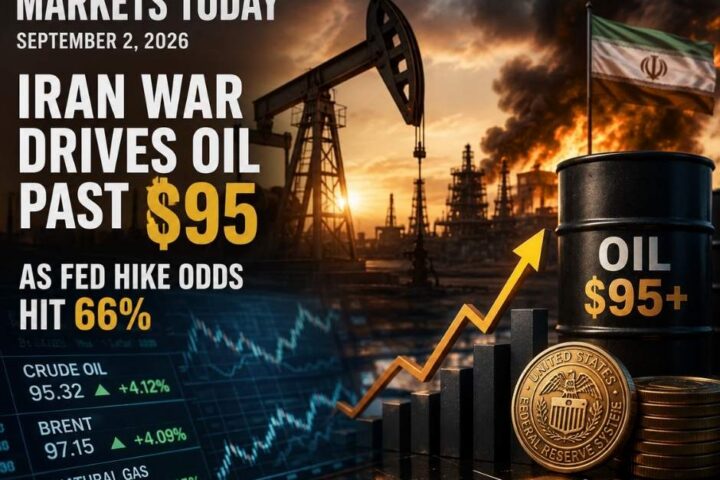
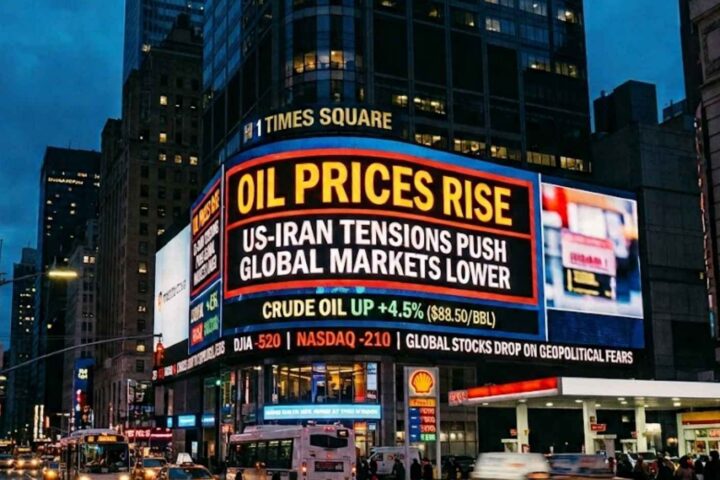
Oil prices surged again as Brent crude climbed close to $110 per barrel while US crude oil moved above $106. Long-term oil futures also crossed the $100 mark as traders increasingly priced in the possibility of prolonged shortages and a wider regional conflict.
Energy analysts now warn the world may soon experience demand destruction, a situation where oil prices rise so aggressively that consumer spending and economic growth begin slowing significantly.
Middle East Conflict Raises Global Economic Risks
The geopolitical situation worsened after reports emerged that President Donald Trump is expected to meet national security advisers to discuss possible military options regarding Iran and the broader Gulf conflict.
At the same time, the US government allowed a sanctions waiver on Russian seaborne oil to expire, potentially tightening global energy supplies even further. Countries including India had previously benefited from the waiver to continue importing Russian crude.
These developments are increasing fears surrounding inflation, fuel prices, economic growth, and global supply chain stability. Investors are becoming increasingly cautious as uncertainty spreads across energy and financial markets.
Bond Yields Surge as Inflation Fears Return
Global bond markets also came under heavy pressure.
US 10-year Treasury yields climbed to 4.63%, their highest level since early 2025, while 30-year bond yields crossed 5.15%. Investors are increasingly worried that inflation could remain elevated for much longer due to energy price shocks and aggressive government spending.
Japan and Germany also saw major increases in government bond yields, adding pressure to global borrowing costs and stock valuations.
Higher bond yields are especially dangerous for technology stocks because they reduce the present value of future corporate earnings, making expensive growth companies harder to justify.
Nvidia Earnings Become Wall Street’s Biggest Test
The global AI stock rally now faces a major stress test this week as NVIDIA prepares to release earnings.
Analysts expect Nvidia revenue to reach nearly $78.5 billion, representing almost 80% annual growth driven by explosive demand for artificial intelligence infrastructure and data centers.
However, market expectations remain extremely high after Nvidia shares surged dramatically over the past year. Many analysts believe broader corporate earnings growth outside AI and energy sectors remains relatively weak, making the stock market vulnerable if major technology companies disappoint investors.
China’s Economy Shows Signs of Weakness
China also released disappointing economic data that added to market concerns.
Retail sales rose only 0.2% in April despite forecasts for 2% growth, while industrial production remained sluggish. The weak numbers suggest rising energy costs and global uncertainty are already hurting economic activity in the world’s second-largest economy.
G7 Finance Ministers Meet Amid Market Chaos
Global finance leaders are gathering in Paris this week for a G7 meeting focused on oil supply disruptions, inflation risks, global trade stability, energy security, bond market volatility, and raw material shortages.
Investors are closely watching whether policymakers can calm markets before volatility spreads further across global economies.
What Happens Next for Global Markets?
Financial analysts say the next few days could determine the direction of global markets for the rest of 2026.
Investors are now monitoring the possibility of further escalation in the Middle East, rising oil prices above $120 per barrel, continued inflation pressures, weaker global economic growth, Nvidia’s earnings results, and future central bank interest rate decisions.
With oil shocks, geopolitical tensions, AI-driven stock valuations, and bond market instability colliding simultaneously, global markets are entering one of the most uncertain financial periods in recent years.