July 8, 2026
Table of Contents
- What Is Happening
- Gold and Dollar Price Action
- Why It Matters
- Fed Reaction and Rate Hike Bets
- What Investors and Traders Need to Know
- What Comes Next
- Key Takeaways
- FAQ
What Is Happening
Global markets turned defensive on Wednesday after the United States launched fresh strikes on Iran, reviving a geopolitical risk premium that had appeared to be fading just days earlier. The renewed military action sent the U.S. dollar to its highest level in roughly a week during Asian trading hours, according to Reuters. Gold, oil, and currency markets all moved in response, while equity futures stayed on edge ahead of a major data release later in the day.
Adding to the volatility, New Zealand’s central bank lifted interest rates and signaled further tightening ahead, sending the kiwi dollar sharply higher against its peers. The moves come just hours before the Federal Reserve releases the minutes from its June policy meeting, the first held under new Chair Kevin Warsh, at 1800 GMT.
Gold and Dollar Price Action
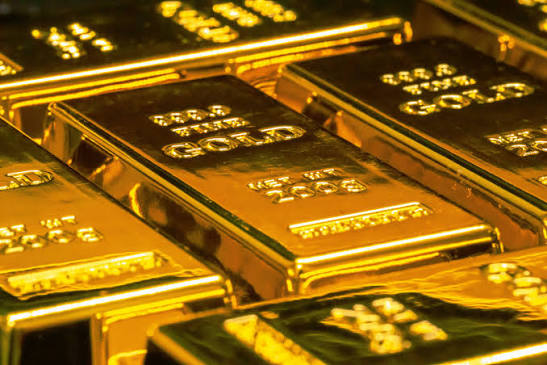
Spot gold swung between gains and losses through the session, ultimately rising 0.5% to $4,125.59 per ounce as of 0305 GMT, according to Reuters. Earlier in the day, the metal had touched its lowest level since July 2 before recovering. U.S. gold futures for August delivery moved in the opposite direction, shedding 0.5% to settle at $4,136.30.
The push and pull in gold reflects a tug of war between two competing forces. Renewed conflict risk typically supports gold as a safe haven, but the same strikes also lifted oil prices and the U.S. dollar, both of which tend to weigh on bullion. A stronger dollar makes gold more expensive for holders of other currencies, while higher oil prices feed inflation concerns that raise the odds of continued Fed tightening, a headwind for non-yielding assets like gold.
Currency markets saw some of the sharpest moves of the session. The dollar’s climb to a one-week high came largely at the expense of currencies more exposed to energy-importing economies, while the New Zealand dollar bucked the broader risk-off tone entirely, jumping after the Reserve Bank of New Zealand’s hike and hawkish guidance.
Why It Matters
Investors DF.Media reporters spoke with, cited in Wednesday’s Reuters coverage, framed the strikes as a meaningful escalation risk just as markets had begun pricing in a calmer path for Fed policy. Only days earlier, a weaker-than-expected June jobs report had pushed traders to scale back bets on additional rate hikes, with CME FedWatch data showing hike probabilities for September falling toward the 50% mark.
The Iran strikes complicate that narrative. Higher oil prices tend to filter into inflation readings within weeks, and a renewed inflation impulse would give the Fed less room to ease even if labor market data continues to soften. That tension between geopolitical risk and monetary policy is now the dominant theme heading into Wednesday afternoon’s minutes release.
Fed Reaction and Rate Hike Bets
Markets increased their Fed rate hike bets on Wednesday in direct response to the Iran news, according to Reuters. That marks a shift from the softer rate-hike odds seen earlier in the week, when the disappointing jobs report had traders leaning toward the Fed staying on hold or even easing later in the year.
The June meeting minutes, due at 1800 GMT, will be parsed closely for any language on how the committee under Chair Warsh is weighing the balance between a cooling labor market and persistent inflation risk. Traders will also be watching for any indication of internal disagreement among Fed officials, since a split committee could add further volatility to gold, the dollar, and rate-sensitive equity sectors once the minutes cross the wire.
What Investors and Traders Need to Know
For gold investors, the key level to watch remains the $4,100 area, which has acted as a support zone on recent pullbacks. A close below that level on renewed dollar strength could open the door to a deeper correction, while any de-escalation headline out of the Middle East could just as quickly reverse today’s price action.
Currency traders should note that the dollar’s strength is not broad-based. It is concentrated against currencies more sensitive to energy prices, while commodity-linked and rate-differential currencies like the New Zealand dollar are moving on their own domestic catalysts. That divergence matters for anyone trading currency pairs rather than the dollar index in isolation.
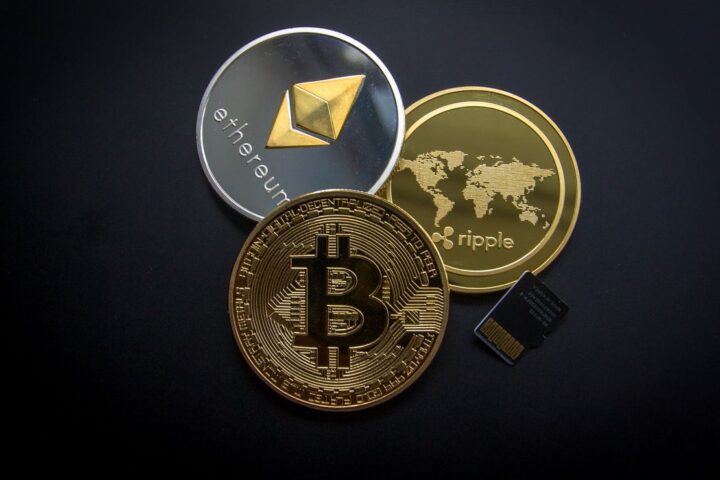
Equity and crypto markets are also exposed to today’s cross-currents. Bitcoin has been trading near $63,600, according to Coinbase data, a level built largely on rate-cut optimism from last week’s jobs report. A hawkish surprise in the Fed minutes, combined with an extended Iran conflict, would test whether that rally has the momentum to hold.
What Comes Next
The immediate catalyst is the 1800 GMT release of the Fed’s June minutes. Analysts expect the document to shed light on how officials are weighing the June jobs miss against inflation risk reintroduced by the Middle East conflict. Any signal that a September hike is back on the table, per CME Group’s FedWatch tool, would likely extend the dollar’s gains and pressure gold further.
Beyond the minutes, markets will be watching for further developments out of the Strait of Hormuz region, where shipping disruptions and any additional military action could keep oil prices elevated and complicate the inflation outlook well into the third quarter.
Key Takeaways
The dollar hit a one-week high after the U.S. resumed strikes on Iran. Spot gold rose 0.5% to $4,125.59 per ounce after touching its lowest level since July 2, while gold futures slipped 0.5%. New Zealand’s central bank hiked rates and lifted the kiwi. Markets raised their Fed rate hike bets ahead of the June meeting minutes, due at 1800 GMT under Chair Kevin Warsh. Bitcoin remains near $63,600 as investors weigh whether rate-cut optimism can survive a more hawkish Fed setup.
FAQ
Why did the U.S. dollar rise on July 8, 2026? The dollar climbed to its highest level in about a week after the United States renewed strikes on Iran, a move that lifted oil prices and pushed investors toward the currency as a haven, according to Reuters.
What is the current gold price today? Spot gold was trading at $4,125.59 per ounce as of 0305 GMT on July 8, 2026, up 0.5% on the day after earlier touching its lowest level since July 2, per Reuters data.
When are the Fed’s June meeting minutes released? The Federal Reserve is scheduled to release the minutes from its June policy meeting, the first under Chair Kevin Warsh, at 1800 GMT on July 8, 2026.
Why did New Zealand’s dollar jump today? The Reserve Bank of New Zealand raised interest rates and signaled further tightening ahead, which lifted the kiwi even as broader markets turned risk-averse on the Iran news.
How are Fed rate hike odds changing? Markets increased their bets on a Fed rate hike following the Iran strikes, a reversal from earlier in the week when a weak June jobs report had traders pricing in a lower probability of further tightening, according to CME FedWatch data cited by Reuters.
How is Bitcoin reacting to today’s macro news? Bitcoin has been trading near $63,600, according to Coinbase, with its recent rally built on rate-cut hopes that could be tested if the Fed minutes strike a more hawkish tone.