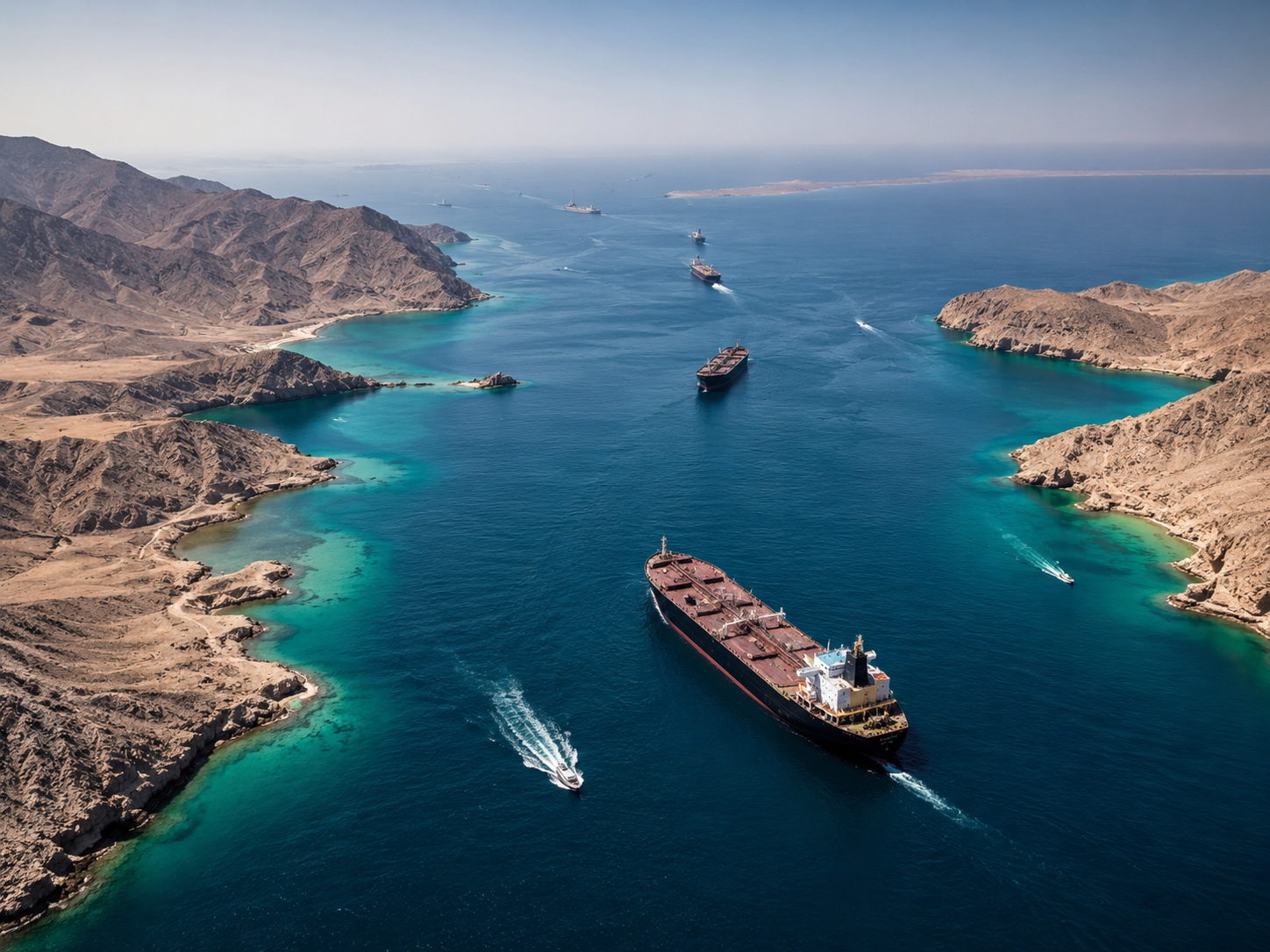
Commercial shipping through the Strait of Hormuz is gradually returning after months of disruption, offering cautious optimism for global energy markets. However, recent attacks on merchant vessels demonstrate that one of the world’s most important maritime trade routes remains vulnerable to geopolitical tensions, leaving shipowners, insurers, oil producers, and investors closely monitoring every development.
According to Bloomberg, vessel tracking data over the weekend showed several commercial ships successfully passing through the narrow waterway despite heightened security concerns. Although overall traffic remains below historical averages, shipping activity has improved compared with the peak of the recent conflict involving the United States and Iran.
For global markets, the Strait of Hormuz represents far more than a regional shipping lane. The passage serves as the primary gateway for crude oil and liquefied natural gas exports from several Gulf nations, making its stability essential for international energy security.
Why the Strait of Hormuz Matters
Stretching between Oman and Iran, the Strait of Hormuz is considered the world’s most strategically significant energy chokepoint.
According to the U.S. Energy Information Administration (EIA), approximately one-fifth of the world’s petroleum consumption typically moves through this narrow passage each day. Countries including Saudi Arabia, the United Arab Emirates, Kuwait, Iraq, Qatar, and Iran rely heavily on the route to transport crude oil and natural gas to international customers across Asia, Europe, and beyond.
Any disruption within the strait has immediate consequences for:
- Global oil prices
- Shipping costs
- Marine insurance premiums
- Energy supply chains
- Inflation in importing countries
Because global energy markets remain interconnected, even temporary interruptions can create uncertainty that affects businesses and consumers worldwide.
U.S. Energy Information Administration (EIA)
https://www.eia.gov/international
Shipping Activity Shows Signs of Improvement
Recent vessel movements indicate that commercial operators are slowly regaining confidence.
Bloomberg reported that several vessels successfully completed transits over the weekend, including empty very large crude carriers entering the Persian Gulf and fully loaded tankers departing toward international destinations.
This represents a noticeable improvement compared with earlier months when commercial traffic nearly came to a standstill during military hostilities.
Industry analysts note that the arrival of empty crude carriers is particularly important because regional producers need available vessels before export volumes can fully recover.
Without sufficient shipping capacity, restarting oil production becomes significantly more difficult, regardless of available supply.
Recent Attacks Highlight Continuing Security Risks
Despite encouraging signs of recovery, the security environment remains fragile.
Last week, a Singapore-flagged container vessel reportedly came under attack while operating in the region. Days later, another commercial tanker carrying Qatari crude oil was also targeted while transiting the Strait of Hormuz.
The incidents prompted the Joint Maritime Information Center to increase its regional maritime threat assessment, warning commercial shipping operators to exercise heightened caution.
The attacks were followed by renewed military exchanges between the United States and Iran before both governments announced a temporary halt in offensive operations ahead of further diplomatic discussions.
While the ceasefire has reduced immediate tensions, shipping companies continue to prepare for rapidly changing conditions.
Shipowners Continue Taking Different Approaches
Not every shipping company is prepared to resume normal operations.
Some operators have restarted voyages through the Strait of Hormuz, believing security conditions have improved sufficiently for commercial navigation.
Others remain cautious.
Several companies continue delaying departures, modifying schedules, or rerouting vessels while they evaluate intelligence reports and updated maritime security guidance.
Marine insurers have also responded by reassessing risk exposure, with war-risk premiums remaining elevated for vessels operating within the region.
Higher insurance costs ultimately increase transportation expenses for exporters and importers alike.
Energy Markets Are Watching Every Movement
Oil traders have been closely monitoring vessel tracking data since the partial reopening of the Strait of Hormuz.
Shipping activity often provides one of the earliest indicators of changing supply conditions.
An increase in inbound empty tankers typically signals that producers expect exports to recover, while declining outbound shipments may indicate operational challenges or renewed geopolitical risks.
Energy analysts therefore pay close attention not only to oil production figures but also to daily vessel movements through the strait.
These indicators influence expectations for future supply, pricing, and global inventory levels.
Diplomacy Will Shape the Next Phase
The recent improvement in shipping traffic follows diplomatic efforts aimed at reducing military tensions between Washington and Tehran.
Although the current situation remains uncertain, investors hope ongoing negotiations will prevent further escalation and allow commercial shipping to normalize.
Markets generally respond positively to signs of stability because uninterrupted maritime trade helps reduce supply-chain uncertainty and supports predictable energy pricing.
However, analysts caution that isolated security incidents could still undermine confidence if tensions increase again.
Don’t Miss the Stories Moving Global Markets
From geopolitical conflicts and oil prices to stock markets, central banks, AI, and the global economy, Daily Finance delivers trusted news and in-depth analysis to help you stay informed.
Explore More Financial News on Daily FinanceFrequently Asked Questions
Why is the Strait of Hormuz important?
The Strait of Hormuz is one of the world’s busiest maritime routes for oil and liquefied natural gas exports. It connects the Persian Gulf to the Gulf of Oman and the Arabian Sea, allowing energy supplies from major Gulf producers to reach global markets.
How do security incidents affect global oil prices?
Security threats in the Strait of Hormuz can increase uncertainty in energy markets. Even temporary disruptions may lead to higher shipping costs, increased insurance premiums, and fluctuations in crude oil prices depending on market expectations.
Are commercial ships still using the Strait of Hormuz?
Yes. Commercial vessels continue to transit the waterway, although shipping companies regularly assess security conditions before scheduling voyages. Traffic levels can change depending on geopolitical developments and maritime safety advisories.
What role does maritime insurance play during regional conflicts?
Marine insurers evaluate geopolitical risks when setting insurance premiums for vessels operating in high-risk regions. Elevated risks can increase operating costs for shipping companies and influence global trade expenses.
Could prolonged disruptions impact global supply chains?
Extended disruptions could slow energy exports, increase transportation costs, and affect industries that depend on reliable fuel supplies. Global supply chains are generally more resilient today, but major interruptions would still have significant economic consequences.