European stocks rise alongside U.S. futures on Tuesday, even as a rebound in oil prices reminded investors that the U.S. Iran standoff is far from resolved. The gains came on the heels of a blistering Wall Street session that pushed the S&P 500 within striking distance of its all time high and sent the Dow to a fresh record close.
Oil Rebounds as Hormuz Tensions Resurface
Brent crude rose 1.4% to $84.95 a barrel, clawing back some of the previous session’s steep 7% slide to a three week low. The bounce followed a fresh attack on shipping in the Strait of Hormuz, a stark reminder that global energy flows remain exposed to the conflict even as diplomatic signals stay mixed. Traders are treating any talk of a quick resolution with caution.
Wall Street Nears Record Territory
Europe’s STOXX 600 gained 0.55%, led by a 1.7% jump in technology shares. Nasdaq futures added 0.67% and S&P 500 futures rose 0.22% ahead of the open. That follows Monday’s 1.48% surge in the S&P 500 to 7,610.04, just shy of its record of 7,620.90, while the Dow Jones Industrial Average closed at an all time high of its own. MSCI’s global stocks index edged up 0.05% and Japan’s Nikkei added 0.32%.
“We are adding risk to sectors which should be less impacted by higher rates. Tech and financials would be our favourite sectors to add back risk in the portfolio,” said Mohit Kumar, an economist at Jefferies.
Kumar pointed to the sheer volume of cash sitting on the sidelines as a key reason for his continued bullish stance, even with bond yields on the move.
Earnings Season Delivers, Fed Watch Intensifies
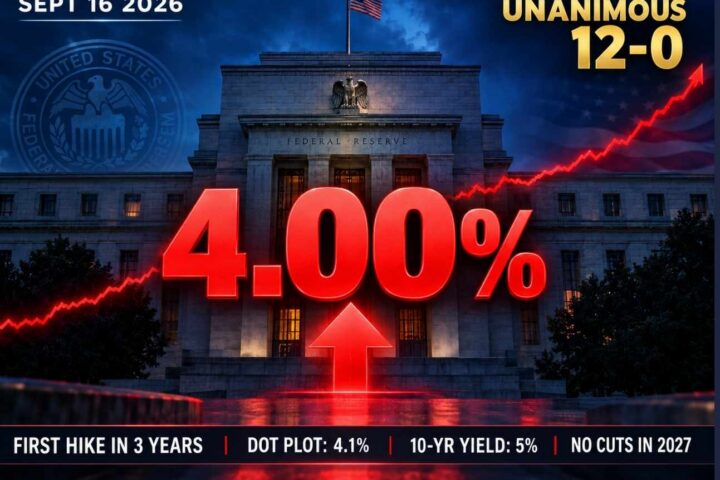
Longer dated U.S. Treasury yields climbed to a 19 year high last week after comments from Federal Reserve Chairman Kevin Warsh stoked concern that the central bank may not move aggressively enough to keep inflation in check. Markets widely expect Warsh to hold off on a hike, and Tuesday’s first release of U.S. jobs data could hand him the cover he needs to stay put.
Earnings season is doing its part to keep sentiment upbeat. With almost two thirds of S&P 500 companies having reported second quarter results, 84% have topped analyst estimates, according to LSEG data.
“The AI capex boom remains intact,” wrote Eastspring Investments analysts, including chief investment officer Vis Nayar.
Not every region shares the optimism. Some economists warn that Europe faces a tougher road ahead, with drought conditions hampering shipping on the Rhine and gas inventories running tighter than usual heading into the colder months.
Yen Rally Loses Steam After Historic Intervention
The dollar gained 0.4% against the yen to trade at 157.80, rebuilding some strength after coordinated intervention by U.S. and Japanese authorities propped up the currency last week. Even so, the yen remains roughly 4% stronger against the greenback than it was a week ago, before the rare joint action that marked the first U.S. intervention in Japan’s currency market in 15 years.
Investors remain wary that Japan’s expansionary fiscal policy and the Bank of Japan’s unhurried pace of rate hikes could ultimately cap the currency’s gains.
“The catalysts that can amplify the unwinding of short yen positions are, potentially, lower crude oil prices, BoJ policy tightening in September and thereafter, and some moderation in Prime Minister Sanae Takaichi’s fiscal plans, in order to bring debt sustainability back,” said Thierry Wizman, global forex and rates strategist at Macquarie Group.
The U.S. dollar index, which tracks the greenback against six major currencies, held steady at 99.98, not far from its lowest level in two months.
What to Watch Today
- Brent crude at $84.95 a barrel, up 1.4% after Monday’s sharp pullback
- STOXX 600 up 0.55%, tech shares leading with a 1.7% gain
- S&P 500 closed Monday at 7,610.04, near its record high of 7,620.90
- Dollar/yen at 157.80, up 0.4% as intervention gains partly unwind
- First round of U.S. jobs data due later Tuesday
Reporting by Stefano Rebaudo and Gregor Stuart Hunter for Reuters. Additional context from Daily Finance markets desk.