What Is Happening
The SK Hynix IPO 2026 debut is colliding with a jittery Wall Street this week. S&P 500 and Nasdaq futures edged higher Thursday, July 9, 2026, even as fresh U.S. strikes on Iran threatened to prolong a four month conflict in the Middle East. The U.S. military struck roughly 90 Iranian targets early Thursday to keep the Strait of Hormuz open to shipping, according to Reuters. Iran responded with attacks on Kuwait and Bahrain, deepening a confrontation that risks unraveling an already fragile ceasefire.
Here is the thing. Markets did not panic. At 7:36 a.m. ET, Dow E-minis were down 69 points, or 0.13 percent, while S&P 500 E-minis rose 11.25 points, or 0.15 percent, and Nasdaq 100 E-minis climbed 198.5 points, or 0.67 percent, Reuters reported. Chip stocks did the heavy lifting.
But wait, there is a bigger story unfolding in New York this week. SK Hynix, the world’s second largest memory chipmaker, is preparing to list on Nasdaq on July 10, 2026, in a $29 billion American depositary receipt offering that is already more than seven times oversubscribed, according to Bloomberg.
SK Hynix IPO 2026: Futures, Oil, and Market Data
Wednesday’s session told its own story. The Dow Jones Industrial Average fell 586 points, or 1.11 percent, to close at 52,339 on July 8, 2026. The S&P 500 slipped 0.28 percent, while the Nasdaq Composite eked out a 0.20 percent gain as chip names found buyers. Oil kept climbing.
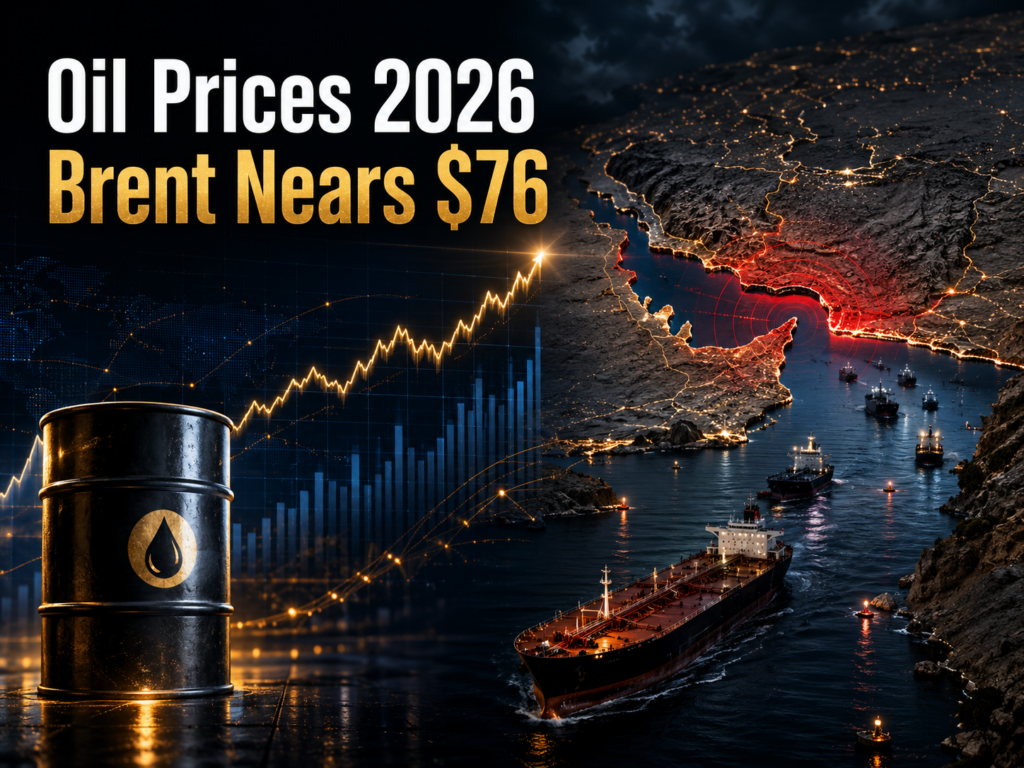
Brent crude for August delivery traded near $78.77 per barrel, up almost 1 percent, and West Texas Intermediate rose 0.88 percent to $74.17 per barrel, after Washington revoked a temporary waiver on Iran oil sanctions. The iShares Semiconductor ETF (SOXX) gained 2.4 percent in premarket trading, offsetting weakness elsewhere.
IBM fell 3.8 percent and Microsoft dropped 1.5 percent after a report that Starbucks is using artificial intelligence to reduce its reliance on both companies. ServiceNow slid 3.8 percent and Adobe fell 3 percent. Meta Platforms dropped 1.2 percent despite plans to begin production of its own AI chip in September. Levi Strauss shares fell 4.4 percent even after the denim maker raised its annual sales forecast on July 8.
Meanwhile, SK Hynix’s offering of 177.9 million ADRs, priced indicatively around 242,500 won, or roughly $158.26 per ADR, drew demand from sovereign wealth funds, global long-only managers, and technology-focused investors. Anchor investors including Baillie Gifford, Coatue Management, and Situational Awareness Partners together indicated interest of up to $7 billion.
Why It Matters
Here is why this week matters beyond the headlines. SK Hynix’s Nasdaq debut would rank as the largest ever U.S. listing by a foreign company, surpassing Alibaba’s $25 billion IPO in 2014, according to Bloomberg. A deal of this size, landing directly into a market rattled by geopolitical risk, signals that investors are willing to look past short term volatility when the underlying growth story, in this case artificial intelligence and high bandwidth memory demand, is strong enough.
At the same time, the Federal Reserve’s newly released June meeting minutes showed a hawkish undercurrent. Nine of 18 FOMC participants said they could support at least one rate increase before year end, even as the committee held its benchmark rate steady at 3.50 percent to 3.75 percent for a fourth straight meeting under new Chair Kevin Warsh.
Wall Street does not wait. Stay ahead of every index move, earnings surprise, and Fed decision that matters to your portfolio.
Track Market Moves at DF.Media: https://df.media/
Expert and Institutional Reaction
“The path toward a lasting peace deal is likely to be bumpy, with periodic flare ups in tensions potentially triggering bouts of market volatility,” said Mark Haefele, chief investment officer at UBS Global Wealth Management. “But we also believe that both sides remain incentivized to keep the Strait of Hormuz open.”
Haefele added that Fed officials are likely to maintain their hawkish stance for now, with rhetoric expected to soften once policymakers grow more confident that second round inflation effects from the oil spike remain limited. On the SK Hynix deal, bankers involved in the offering told Bloomberg that demand exceeding seven times the shares available reflects investor appetite for direct U.S. exposure to Asia’s memory chip supply chain, which currently feeds Nvidia, Microsoft, and other major AI infrastructure buyers.
What the SK Hynix IPO 2026 Means for Investors and Traders
Traders should watch three things Thursday. First, weekly jobless claims land at 8:30 a.m. ET, offering a fresh read on labor market health before New York Fed President John Williams speaks later in the day. Second, oil remains the swing factor. LSEG data shows traders are now pricing in at least one 25 basis point rate hike by year end, a shift driven largely by energy linked inflation risk.
Third, SK Hynix shares begin trading under the ticker SKHY on July 10, and early price action will be watched closely as a bellwether for whether investors are still willing to pay up for AI infrastructure exposure after a choppy few weeks for chip stocks. For continuing coverage of major U.S. listings and IPO pricing, see DF Media’s business desk, which has tracked the SK Hynix IPO 2026 deal since it was first flagged in June. Levi Strauss’s post-earnings decline, despite a raised outlook, is a reminder that solid results are not guaranteed to move a stock higher in this environment.
What Comes Next
Expect volatility to stay elevated through the SK Hynix pricing and listing on July 10, 2026, and through any further escalation between the U.S. and Iran. UBS’s Haefele expects sentiment to stabilize once markets get more clarity on whether the Strait of Hormuz stays open to shipping.
On the policy side, investors will parse every comment from Chair Kevin Warsh and other Fed officials for signs of whether the hawkish minority gains ground before the next meeting. Analysts expect chip stocks broadly to remain sensitive to AI capital spending headlines, including Meta’s reported plan to move its own AI chip into production in September. As DF Media’s finance coverage has noted throughout this cycle, markets are increasingly treating geopolitical risk and AI infrastructure investment as two sides of the same trade.
This story is moving fast. Get every update, analysis, and market reaction as it happens.
Follow Breaking Finance News at DF.Media: https://df.media/
Key Takeaways
S&P 500 and Nasdaq futures rose modestly Thursday morning even as the U.S. and Iran traded strikes, while Dow futures slipped on losses in IBM and Microsoft. The iShares Semiconductor ETF gained 2.4 percent, led by optimism around SK Hynix IPO 2026’s Nasdaq debut. SK Hynix IPO 2026’s $29 billion ADR offering, priced around $158.26 per share, is more than seven times oversubscribed and would rank as the largest ever U.S. listing by a foreign company.
Brent crude traded near $78.77 per barrel after Washington revoked an Iran oil sanctions waiver. The Fed under Kevin Warsh held rates at 3.50 percent to 3.75 percent, though nine of 18 officials floated a hike before year end. Levi Strauss fell 4.4 percent despite raising its outlook.
FAQ
What is SK Hynix’s IPO price on Nasdaq?
SK Hynix’s indicative ADR price is set around 242,500 won, or approximately $158.26 per American depositary receipt, with the final price confirmed around the July 10, 2026 listing.
Why are S&P 500 and Nasdaq futures rising despite US-Iran tensions?
Futures rose because chip stocks, led by the iShares Semiconductor ETF’s 2.4 percent gain, offset concerns tied to fresh U.S. strikes on Iran. Investors also appear to be pricing in UBS’s view that both sides remain incentivized to keep the Strait of Hormuz open.
How oversubscribed is the SK Hynix Nasdaq offering?
The offering is more than seven times oversubscribed, with demand from sovereign wealth funds, global long-only managers, and anchor investors including Baillie Gifford and Coatue Management.
What did the Federal Reserve decide at its June 2026 meeting?
The Fed held its benchmark rate steady at 3.50 percent to 3.75 percent for a fourth consecutive meeting under new Chair Kevin Warsh, though minutes released July 8 showed nine of 18 officials open to a rate hike before year end.
Why did oil prices rise this week?
Oil rose after the U.S. revoked a temporary waiver on Iran oil sanctions and following President Trump’s comments that a ceasefire understanding with Iran was over, pushing Brent crude toward $78.77 per barrel.
Why did Levi Strauss stock fall despite raising guidance?
Levi Strauss shares dropped 4.4 percent even after raising its annual sales forecast on July 8, 2026, a sign that investors are demanding more than in-line results in the current volatile market environment.
This article is for informational purposes only and does not constitute financial advice. Always conduct your own research before making any investment decisions.