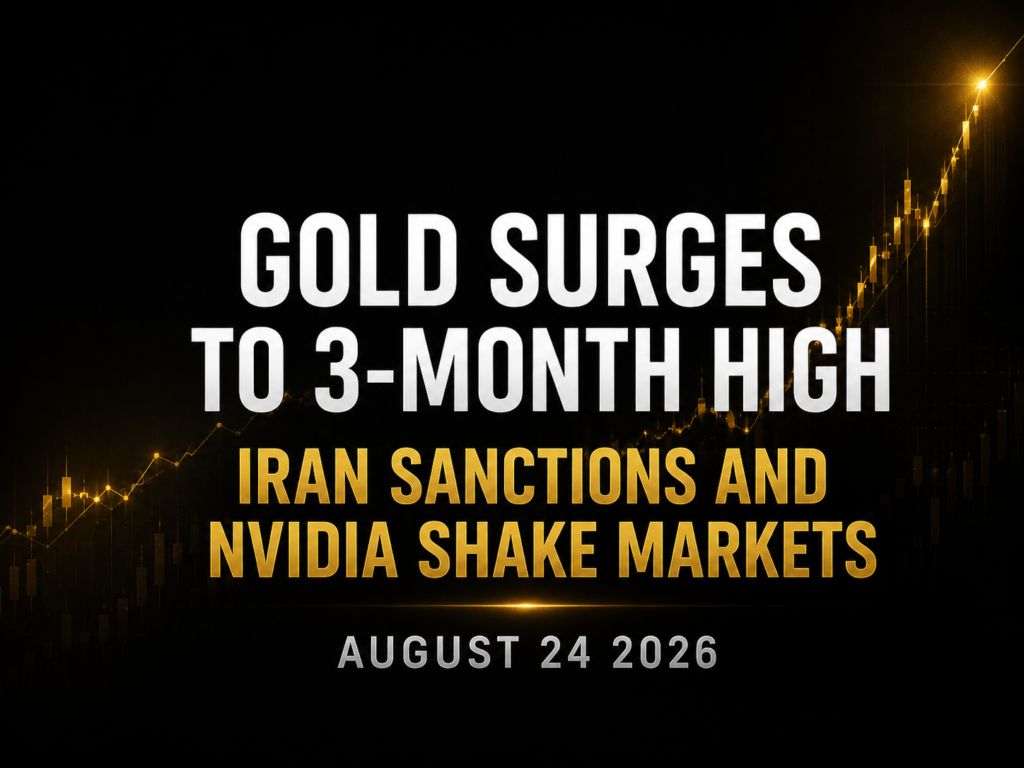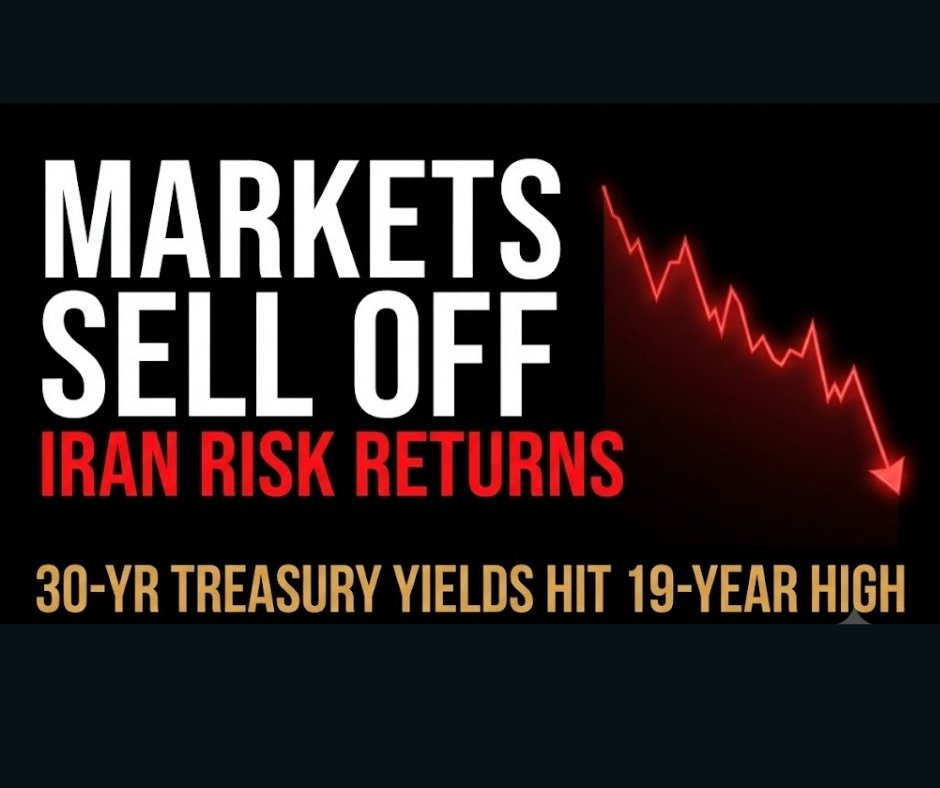
Markets today August 19, 2026 opened the week under heavy pressure as a trio of macro shocks hit simultaneously: the 60-day U.S.–Iran ceasefire expired without a deal, the 30-year Treasury yield surged to a 19-year high, and semiconductor stocks crashed more than 5%. Bitcoin held near $64,000, but traders sat on their hands ahead of Wednesday’s Federal Reserve minutes.
Market Scorecard for August 19 2026
| Index / Asset | Level | Change |
|---|---|---|
| S&P 500 | ~5,410 | ▼ 0.6% |
| Nasdaq Composite | ~17,200 | ▼ 1.3% |
| Dow Jones | ~40,100 | ▼ 0.2% |
| 10-Year Treasury Yield | 4.72% | ▲ rising |
| 30-Year Treasury Yield | 5.33% | ▲ 19-yr high |
| Brent Crude | $89.19/bbl | ▲ 0.76% |
| Bitcoin (BTC) | ~$63,500 | → flat |
| Philadelphia Semiconductor Index | — | ▼ 5.5% |
Iran Truce Expires as Geopolitical Risk Returns to Markets
The single biggest catalyst rattling markets today August 19 is the expiration of the 60-day U.S.–Iran ceasefire. With no permanent deal in place, Tehran announced it would shift to a “fully offensive” military posture. President Trump confirmed he had no interest in extending the truce, effectively ending months of diplomatic calm.
The news triggered an immediate flight to safety. Oil prices climbed, with Brent crude rising 0.76% to $89.19 a barrel and WTI adding 0.55% to $82.85. Fears of renewed Strait of Hormuz disruption are back on the table — a scenario that could push crude well above $90 if escalation continues. Equity markets fell broadly, with global stocks selling off in Asia and Europe before Wall Street opened lower.
30-Year Treasury Yield Hits a 19-Year High
The U.S. 30-year Treasury yield surged to 5.333% — the highest level since June 2007, nearly two decades ago. The 10-year yield held at 4.72%, keeping pressure on equity valuations across all sectors. This is not a minor blip. A 30-year yield above 5.3% signals that bond markets are pricing in persistent inflation, a massive federal deficit, and a Federal Reserve that is nowhere near cutting rates.
Several structural forces are driving the bond selloff: AI companies are expected to issue up to $1.5 trillion in debt this year, the federal government continues running trillion-dollar deficits, and the Iran shock is adding an inflationary oil premium. Fed Chair Kevin Warsh’s hawkish positioning has added to the uncertainty, with three Fed officials having already dissented in July in favor of a rate hike rather than a hold.
Chip Stocks Crash 5.5 Percent as Semis Lead the Selloff
Semiconductor stocks bore the brunt of today’s risk-off mood. The Philadelphia Semiconductor Index plunged 5.5%, the sector’s worst single-day drop in weeks. The carnage was broad:
- Western Digital: -7%
- SanDisk: -9%
- Marvell Technology: -8%
- Seagate Technology: -9%
This comes just weeks after Micron’s blowout earnings briefly reignited the AI chip rally in late June. The reversal is sharp, driven by rising funding costs (higher bond yields make growth stocks less attractive) and macro uncertainty from Iran. Investors are questioning whether AI capex can sustain itself if the cost of capital keeps rising.
Bitcoin Holds Near 63K as All Eyes Turn to Fed Minutes Wednesday
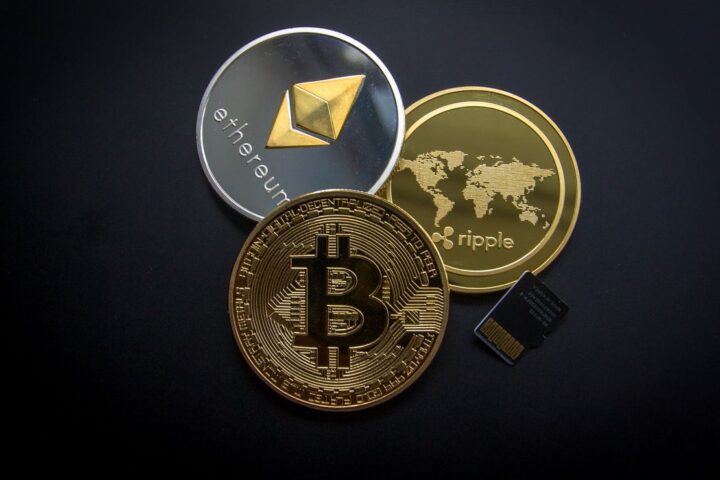
Bitcoin is trading near $63,500, defending the psychologically important $62,000–$64,000 range as traders adopt a wait-and-see stance. Ethereum is testing $1,900 resistance, while XRP holds above $1. The crypto market is not crashing — but it is not rallying either.
The key catalyst for crypto this week is the Federal Reserve’s July meeting minutes, due Wednesday. If the minutes reveal a more hawkish tone than expected particularly given the three dissents in favor of a rate hike Bitcoin could break below $62,000.
Conversely, any dovish signal could push BTC back toward $65,000–$67,000. A White House meeting with crypto industry leaders this week is also keeping digital assets in focus.
Oil Surges as Middle East Risk Flares Back
Energy is the one sector holding up in today’s selloff. Brent crude climbed to $89.19/bbl, its highest level since the original Iran truce was struck, as traders price in a renewed risk premium for Middle East oil supply disruptions.
WTI crude added 0.55% to $82.85. If Iran follows through on its “offensive posture” threat, analysts warn Brent could retest $95–$100/bbl quickly adding fuel to an already hot inflation fire and putting the Fed in an even more difficult position.
Fed Chair Warsh and the Rate Hike Ghost
Markets are increasingly nervous about the Federal Reserve under Chair Kevin Warsh. In July, the Fed held rates steady but three officials dissented in favor of a rate hike. That kind of dissent is rare and signals that the rate hike debate is very much alive inside the FOMC.
With oil now rising again, bond yields at multi-decade highs, and inflation risks returning, the odds of a September rate hike are climbing. Wednesday’s Fed minutes will be parsed for every signal.
What to Watch This Week
- Wednesday: Federal Reserve July meeting minutes — key for rate hike probability
- Wednesday: White House crypto industry meeting
- Ongoing: Iran–U.S. diplomatic status; any military escalation near the Strait of Hormuz
- Thursday/Friday: Jackson Hole Economic Symposium begins — Warsh expected to speak
Frequently Asked Questions
Why are markets falling today August 19, 2026?
Markets are falling today because the U.S.–Iran 60-day ceasefire expired without a deal, pushing oil prices higher and triggering risk-off selling. Rising 30-year Treasury yields at a 19-year high are adding pressure on equity valuations, and chip stocks are leading the Nasdaq lower.
What is the 30-year Treasury yield today?
The 30-year U.S. Treasury yield hit 5.333% on August 18–19, 2026, the highest level since June 2007 — nearly 19 years. The 10-year yield is at 4.72%.
Where is Bitcoin trading today?
Bitcoin is trading around $63,500 on August 19, 2026, holding in the $62,000–$64,000 range. Traders are waiting for the Federal Reserve’s July meeting minutes on Wednesday before making major moves.
Why did chip stocks fall today?
Semiconductor stocks fell 5.5% on August 18–19, 2026 due to a combination of rising bond yields (which hurt high-multiple growth stocks), geopolitical uncertainty from the Iran truce expiration, and profit-taking following the Micron-driven AI rally in late June.
Stay ahead of every market move. Bookmark Daily Finance for real-time market analysis, breaking financial news, and the data you need to trade smarter every day.