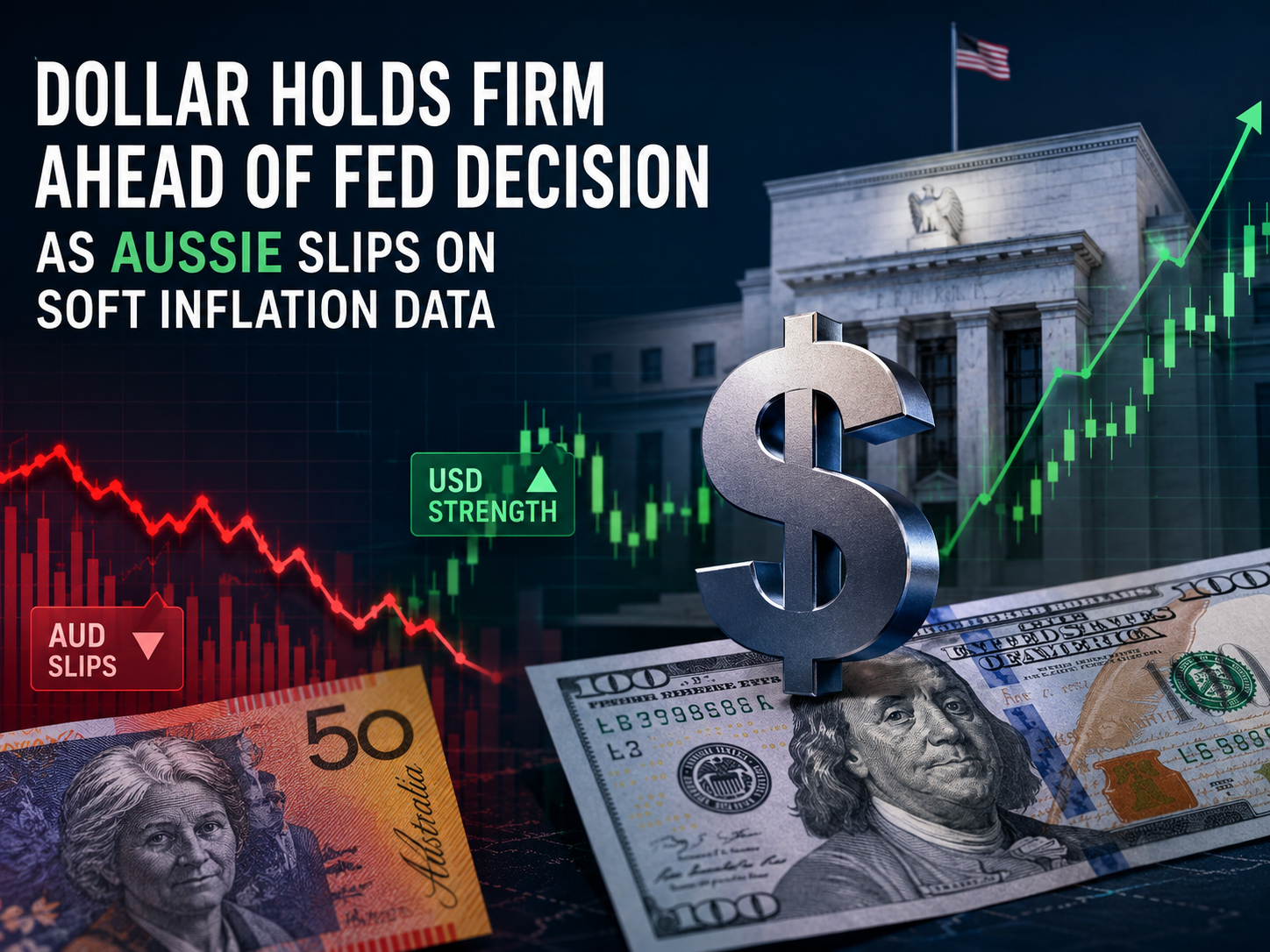
The U.S. dollar remained close to a one-month high on Wednesday as investors prepared for the Federal Reserve’s latest interest rate decision while renewed tensions in the Middle East boosted demand for safe-haven assets. Meanwhile, the Australian dollar weakened after softer-than-expected inflation data reduced expectations of further interest rate increases from Australia’s central bank.
Dollar Supported by Fed Expectations
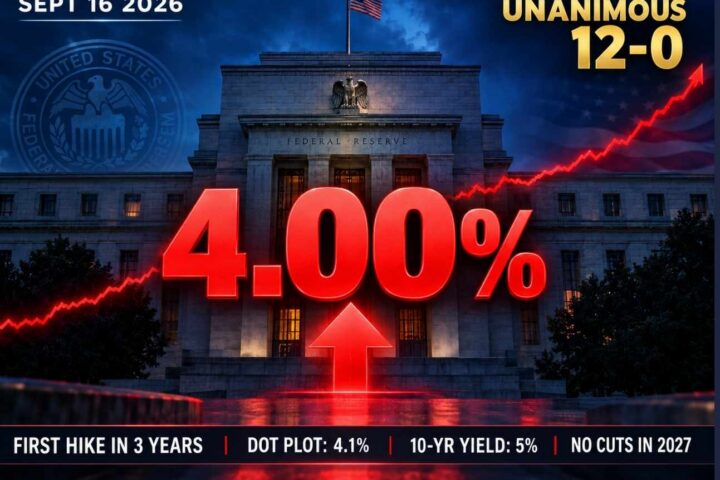
Currency markets were relatively quiet ahead of the Federal Open Market Committee (FOMC) meeting, with traders focusing on whether the Fed would maintain interest rates or deliver another 25 basis point hike. Market pricing suggested roughly a 33% probability of a rate increase.
Although many analysts expect the Fed to leave rates unchanged, investors are closely watching Chair Kevin Warsh’s comments for clues about future monetary policy.
According to Sim Moh Siong, currency strategist at OCBC, the Fed appears to be moving toward a more hawkish stance.
“The messaging will likely matter more than the decision itself. If the Fed keeps rates unchanged but signals higher rates for longer, the U.S. dollar could remain well supported.”
The U.S. Dollar Index traded around 101.38, remaining near its strongest level in a month.
Middle East Tensions Boost Safe-Haven Demand
Investor caution also increased after the U.S. military reported intercepting multiple ballistic missiles launched by Iran toward American forces in the Middle East.
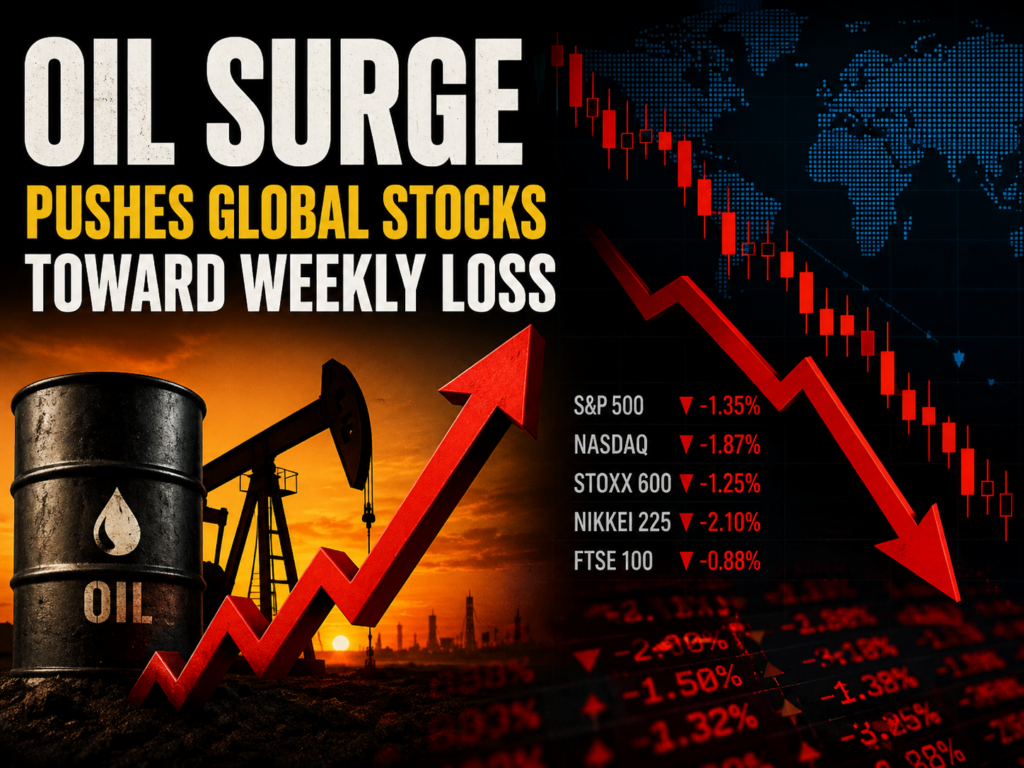
The renewed geopolitical uncertainty lifted oil prices, reinforcing concerns that higher energy costs could keep inflation elevated and complicate central bank decisions worldwide.
Rising geopolitical risks often encourage investors to move into safer assets such as the U.S. dollar, supporting the currency during periods of uncertainty.
Australian Dollar Falls After Inflation Miss
The Australian dollar dropped 0.37% to $0.69475 after new inflation figures came in below economists’ expectations.
The weaker inflation reading reduced speculation that the Reserve Bank of Australia (RBA) would continue raising interest rates, placing additional pressure on the currency.
Lower inflation generally gives central banks more flexibility to pause monetary tightening, making a country’s currency less attractive relative to higher-yielding alternatives.
Euro, Pound and Kiwi Remain Under Pressure
Other major currencies also traded cautiously:
- Euro: $1.1389, recovering only slightly after falling to a one-month low.
- British Pound: $1.3287, remaining near its weakest level since early July.
- New Zealand Dollar: $0.5783, edging lower as investors awaited the Fed announcement.
Yen Near Multi-Decade Lows
The Japanese yen remained extremely weak, with the U.S. dollar trading near 163.74 yen, close to levels not seen in decades.
Currency strategists believe any additional dollar strength following the Fed meeting could push USD/JPY toward 164, increasing the likelihood of intervention by Japanese authorities.
Hirofumi Suzuki, Chief FX Strategist at SMBC, noted that Japan’s finance officials have recently intensified warnings against excessive currency movements, suggesting intervention remains a realistic possibility if the yen weakens further.
What Markets Are Watching
The Federal Reserve’s policy announcement and Chair Kevin Warsh’s press conference are expected to set the tone for global financial markets over the coming weeks.
Investors will focus on:
- Whether the Fed keeps interest rates unchanged.
- Updated guidance on inflation and future rate decisions.
- Comments regarding economic growth and labor market conditions.
- The impact of geopolitical tensions on inflation expectations.
Even without an immediate rate increase, a hawkish message from the Fed could keep the U.S. dollar strong while maintaining pressure on global currencies and emerging markets.
Bottom Line
Global currency markets are entering one of the most closely watched trading sessions of the month. The U.S. dollar remains supported by expectations that the Federal Reserve will maintain a restrictive policy stance, while softer Australian inflation has weakened the Aussie and renewed Middle East tensions continue driving demand for safe-haven assets. The Fed’s guidance later today is likely to determine the next major move across currency markets.
FAQ
1.What is supporting the U.S. dollar?
The dollar is being supported by expectations that the Federal Reserve will maintain a hawkish policy stance and by increased demand for safe-haven assets amid geopolitical tensions.
2.Why did the Australian dollar fall?
The Australian dollar declined after inflation data came in below expectations, reducing the likelihood of additional interest rate hikes by the Reserve Bank of Australia.
3.Why is the Fed decision important for currency markets?
The Federal Reserve’s interest rate decision and policy guidance influence global capital flows, bond yields, and the relative strength of the U.S. dollar against other major currencies.
4.How do Middle East tensions affect financial markets?
Rising geopolitical tensions often increase demand for safe-haven assets such as the U.S. dollar while also pushing oil prices higher, which can influence inflation expectations worldwide.
👉 Explore the latest financial news and market analysis at Daily Finance and never miss a major market-moving story.