The latest US Iran talks oil prices development has become one of the most important financial stories of 2026. Global markets reacted sharply on Monday, June 22, after the United States and Iran concluded high-level negotiations in Switzerland — offering the strongest signal yet that a broader agreement could be reached between the two nations.
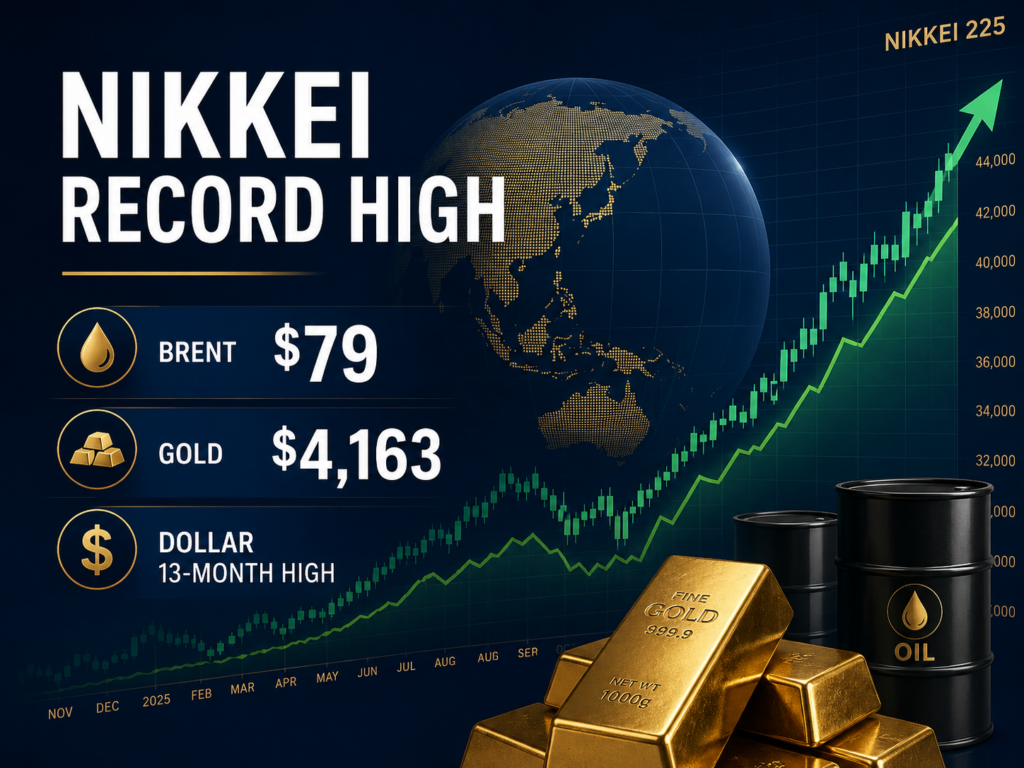
The announcement immediately shifted investor sentiment across commodities, currencies, and equity markets. Brent crude, which had surged above $82 per barrel during early trading amid fears of escalating conflict, reversed course and dropped nearly 2% to around $79 per barrel. The move reflected growing confidence that additional oil supplies could soon return to global markets.
US Iran Talks Oil Prices Trigger Global Market Reversal
The significance of the latest US Iran talks oil prices breakthrough extends far beyond energy markets. Currency traders reassessed geopolitical risks, bond markets adjusted interest-rate expectations, and investors around the world began evaluating what a successful diplomatic outcome could mean for the global economy.
At the same time, Strait of Hormuz shipping activity normalized, Iranian export expectations rose, and policymakers in Asia, Europe, and North America began recalibrating inflation forecasts. The ripple effects of a single day of diplomacy in Switzerland are being felt in every major financial center.
Why Oil Prices Suddenly Fell
Oil prices had been heavily supported by fears that tensions in the Middle East could disrupt global supply chains. For months, traders worried that conflict involving Iran, Israel, and regional allies could significantly impact exports passing through key shipping routes.
The conclusion of talks in Switzerland changed that outlook. According to officials involved in the negotiations, both sides agreed to continue technical discussions and work toward a broader agreement within the next 60 days. The market immediately interpreted this as reducing the likelihood of a prolonged supply disruption.
Several factors pushed oil prices lower following the announcement:
- Diplomatic progress toward a binding framework agreement
- Expectations of increased Iranian crude exports within weeks
- Reduced fears of long-term Strait of Hormuz disruption
- Potential easing of US sanctions on Iranian petroleum
- Additional production commitments from Gulf producers
As a result, traders rapidly removed part of the geopolitical risk premium that had been built into oil prices over recent months — sending Brent crude to its lowest level since early 2026.
Iran Secures Key Export Waivers
One of the biggest surprises from the negotiations was Iran’s announcement that it had secured waivers for oil and petrochemical exports. Iranian officials also indicated that some frozen assets would be released and that reconstruction and development plans were under discussion.
These developments could significantly increase the amount of crude oil available to global markets. Energy analysts estimate that millions of additional barrels per day could eventually reach international buyers if negotiations continue on their current trajectory.
This prospect is particularly important because major producers such as Iraq, Kuwait, and the United Arab Emirates have also signaled plans to increase output. A combination of Iranian supply recovery and Gulf producer expansion could put sustained downward pressure on crude prices well into 2027.
For investors monitoring US Iran talks oil prices, the possibility of additional supply remains the single most important variable affecting market forecasts for the second half of 2026.
Strait of Hormuz Risks Still Loom
Despite the positive developments, markets remain cautious. The Strait of Hormuz continues to represent one of the world’s most critical energy chokepoints. Approximately 20% of global oil shipments pass through the narrow waterway every single day — making it irreplaceable for global energy security.
Iran’s announcement that it had briefly closed the strait before negotiations began created immediate concern among traders. Although commercial shipping continued and diplomats established communication channels aimed at ensuring safe passage, the underlying risk has not disappeared.
Any future disruption — triggered by a breakdown in talks, a regional military incident, or a domestic political shift in Tehran — could rapidly reverse recent declines in oil prices. Shipping companies, insurers, energy producers, and governments worldwide continue monitoring vessel movements closely.
The future stability of the Strait of Hormuz may ultimately determine whether the current optimism surrounding US Iran talks oil prices can be sustained beyond the immediate diplomatic window.
Dollar Holds Steady Amid Uncertainty
While oil markets experienced significant volatility, the U.S. dollar remained relatively stable. Currency traders faced two competing forces simultaneously.
On one hand, lower oil prices can help reduce inflationary pressure, which could eventually influence Federal Reserve policy decisions. On the other hand, uncertainty surrounding the negotiations remains high. Investors are fully aware that diplomatic progress can unravel rapidly if political tensions return.
As a result, the dollar index — which had surged to a 13-month high of 100.78 last week — traded within a relatively narrow range on Monday despite major headlines from Switzerland. Market strategists believe that future developments related to US Iran talks oil prices could become one of the primary drivers of foreign exchange markets throughout the summer of 2026.
Japanese Yen Near Historic Lows
Outside the Middle East story, one of the biggest developments in global currency markets remains the weakness of the Japanese yen. The yen traded near 161 per dollar — levels not seen since the 1980s — raising concerns about potential intervention from Japanese monetary authorities.
Japanese officials have repeatedly warned that they are prepared to intervene if currency movements become disorderly. However, investors continue selling the yen due to significant and persistent differences between U.S. and Japanese interest rates.
Higher Treasury yields and expectations of additional Federal Reserve tightening have made dollar-denominated assets increasingly attractive to global investors. Many analysts believe further yen weakness toward 163–165 could trigger direct action from the Bank of Japan or the Ministry of Finance within weeks.
Political Turmoil Weighs on the Pound
The British pound also faced pressure during Monday’s trading session. Political uncertainty in the United Kingdom has created fresh concerns among international investors evaluating exposure to sterling-denominated assets.
Market participants are evaluating potential leadership changes and their implications for fiscal policy, economic growth, and long-term investor confidence. Although analysts do not expect a prolonged selloff, sterling underperformed many major currencies during early trading.
The pound’s decline highlights how global markets are currently balancing geopolitical developments in the Middle East with domestic political risks in major Western economies — creating a complex environment for currency investors.
What This Means for Inflation and Interest Rates
One of the most important downstream consequences of falling oil prices is the impact on inflation. Energy costs influence transportation, manufacturing, logistics, food production, and consumer spending across every major economy.
When oil prices decline, inflationary pressures often ease — giving central banks more flexibility in their rate decisions. This could have significant implications for the Federal Reserve, the European Central Bank, and the Bank of England over the coming months.
Federal Reserve officials have been closely monitoring energy prices as they assess future interest-rate decisions. Markets currently price an 87% probability of a Fed rate hike by December 2026 — up from 61% just weeks ago. A sustained decline in crude prices could challenge that hawkish consensus.
If oil remains below $80 per barrel through the summer, inflation forecasts may need to be revised downward. That revision could, in turn, push back Fed rate hike expectations — creating a significant shift in global asset prices across equities, bonds, and currencies.
What Investors Should Watch Over the Next 60 Days
The next two months could determine whether this diplomatic breakthrough evolves into a lasting agreement — or collapses under the weight of unresolved political differences. Several critical developments deserve close attention from investors:
- Progress in US-Iran Negotiations — Additional technical meetings are expected as both sides work through unresolved issues around nuclear verification, sanctions relief, and export timelines.
- Iranian Oil Export Volumes — Investors will monitor whether Iranian crude exports increase significantly in the weeks following the Switzerland talks.
- Strait of Hormuz Shipping Activity — Daily vessel transit volumes remain a key real-time indicator of regional stability and diplomatic progress.
- Regional Military Developments — Continued fighting in Lebanon or any escalation involving Israeli, US, or Iranian forces could rapidly reverse market optimism.
- Federal Reserve Policy Signals — If oil prices stay low, inflation expectations may shift — potentially altering the Fed’s rate path and market pricing.
- OPEC+ Production Decisions — Any changes to Gulf producer output quotas could amplify or dampen the effect of Iranian supply returning to market.
- Global Energy Demand Trends — Chinese and Indian demand data for Q3 2026 will determine how markets can absorb additional supply without a sharp price correction.
Final Thoughts
The latest US Iran talks oil prices breakthrough has reshaped global market expectations almost overnight. Oil prices fell sharply, investors reduced geopolitical risk premiums, and financial markets began pricing in the possibility of meaningfully increased energy supplies for the second half of 2026.
At the same time, significant uncertainties remain. The Strait of Hormuz remains vulnerable. Regional tensions persist. Negotiations still have a long way to go before a final, verifiable agreement is reached. And the Federal Reserve’s response to changing inflation dynamics adds another layer of uncertainty for investors.
For now, markets are choosing optimism over fear. Whether that optimism proves justified may determine the direction of oil prices, inflation, currencies, and global financial markets for the remainder of 2026. As investors watch every headline from Washington, Tehran, and Geneva, one thing is clear: the outcome of these negotiations will shape the global economy for years to come.
Frequently Asked Questions
How did US Iran talks affect oil prices?
US Iran talks caused oil prices to drop nearly 2%, with Brent crude falling from above $82 to around $79 per barrel. The diplomatic breakthrough reduced the geopolitical risk premium traders had built into oil prices, as markets anticipated increased Iranian crude supply returning to global markets.
Why did oil prices fall after the US Iran negotiations in Switzerland?
Oil prices fell because the US-Iran talks in Switzerland signalled that Iranian crude oil exports could resume or increase significantly. Traders removed the supply-disruption risk premium from prices as fears of a prolonged Strait of Hormuz closure eased following the diplomatic agreement to continue talks within 60 days.
What is the Strait of Hormuz and why does it matter for oil prices?
The Strait of Hormuz is a narrow waterway between Iran and Oman through which approximately 20% of the world’s daily oil shipments pass. Any closure or disruption of the strait — which Iran can threaten or enact — would immediately reduce global oil supply and cause prices to spike sharply. It is the world’s single most important oil chokepoint.
How are US Iran talks affecting the US dollar and Federal Reserve policy?
If the US-Iran talks succeed in lowering oil prices sustainably, reduced energy inflation could give the Federal Reserve room to reconsider its rate-hike path. The dollar index is trading at a 13-month high of 100.78. A prolonged drop in oil prices could ease inflationary pressure and shift Fed rate expectations lower, which would in turn weaken the dollar and boost risk assets.
What should investors watch following the US Iran oil talks?
Investors should monitor: the progress of follow-up US-Iran technical negotiations, actual Iranian export volumes, Strait of Hormuz shipping activity, OPEC+ production decisions, Federal Reserve communications on inflation, and any regional military escalation in Lebanon or the broader Middle East. These seven variables will collectively determine whether oil prices stay below $80 or reverse sharply higher.
Stay ahead of global markets every day.
Breaking financial news, real-time data and expert analysis — all on Daily Finance.